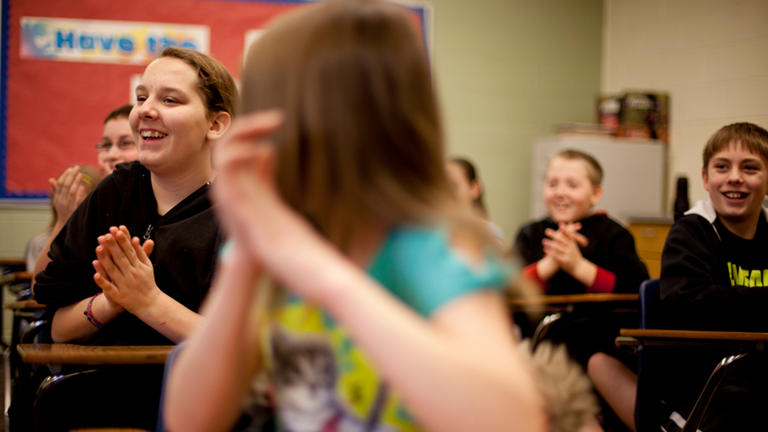
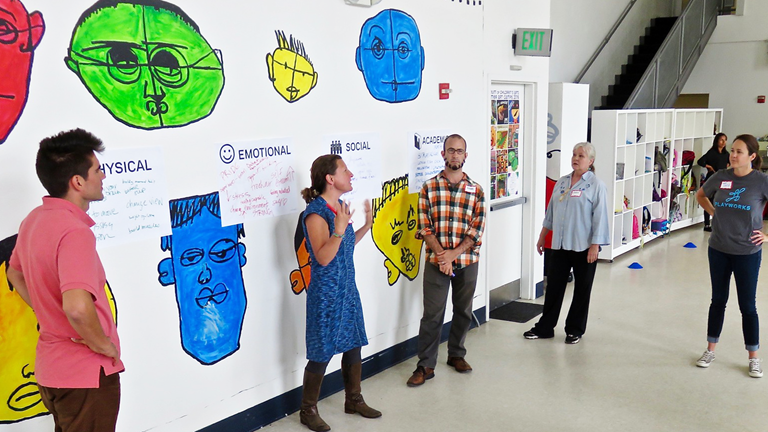
The give and take of conversation, a roundtable group discussion, and sharing class materials are all examples of turn-taking in action. This essential skill requires an ability to manage oneself in a social situation in response to the actions of others. Several song structures provide opportunities to practice this. Echo songs, such as “Down by the Bay” and “Boom Chicka Boom” involve a group repeating a leader’s phrase exactly. Conversely, call and response songs, such as “Jon the Rabbit” and “Hill and Gully Rider,” involve a group consistently singing a “response” phrase after any variation of a “call” phrase sung by a leader.
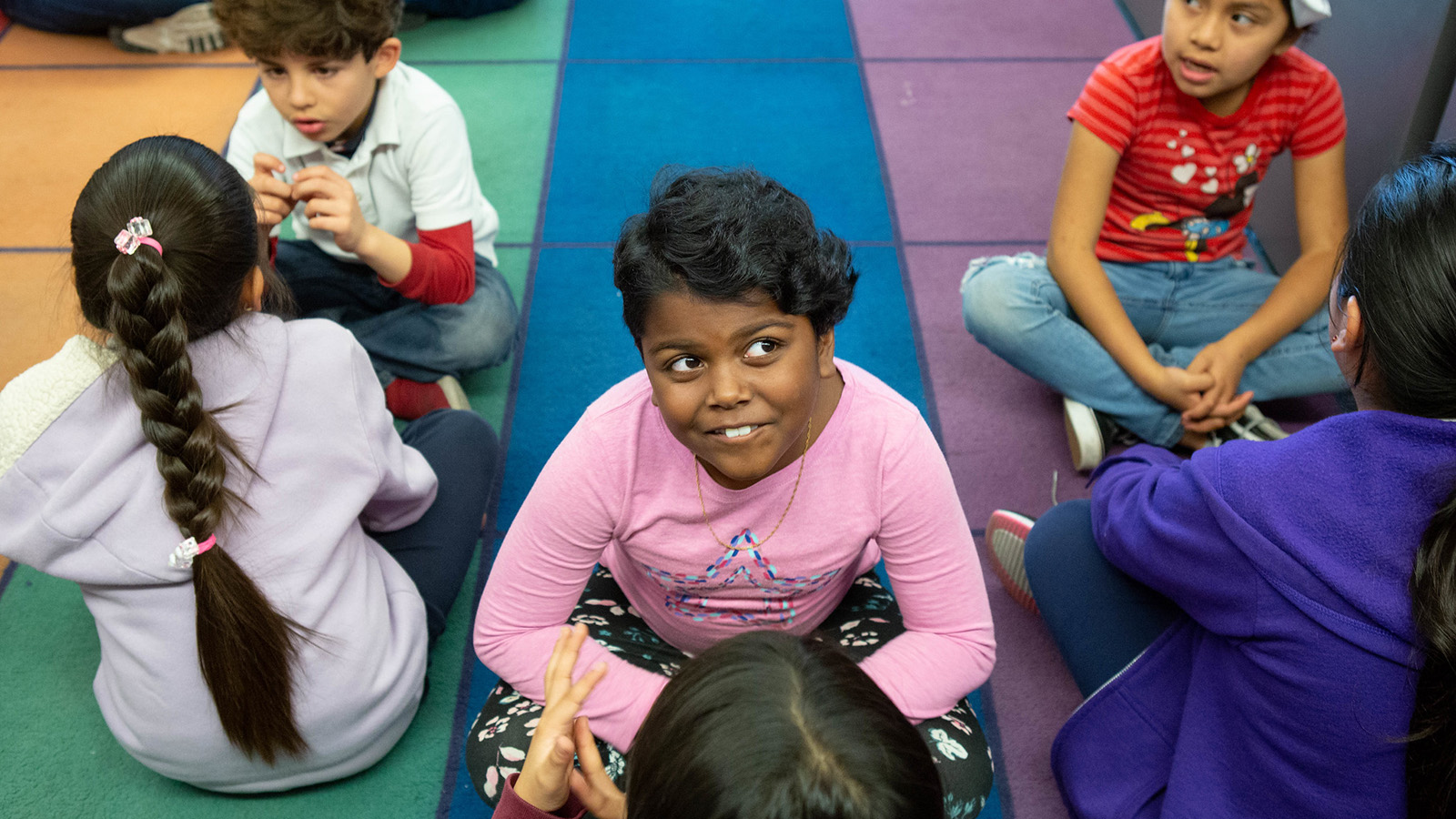
Image courtesy of Flickr, Creative Commons
These songs can also practice individual turn taking, one by one. For example, “Jon the Rabbit” could work like this:
Teacher: Oh, Jon the Rabbit…
Student 1: Oh yes!
Teacher: Had a mighty bad habit…
Student 2: Oh yes!
Teacher: Of getting in my garden…
Student 3: Oh yes!
Teacher: And eating all my carrots…
Student 4: Oh yes!
In this sort of activity, a singing or talking object, such as a toy microphone held by the teacher, can help show whose turn it is. Standing or sitting in a circle can also help students anticipate and practice waiting for their turn.
Musical games also involve turn-taking where one person is “it” and others are watching, waiting, and/or supporting. Beloved by upper elementary students, the Puerto Rican singing game “Cheki Morena” involves one person dancing in the center of a circle during each verse while others copy them before choosing another leader. These experiences provide ample opportunities to wait one’s turn, to gracefully accept that one does not always get a turn, and to support classmates who do get a turn.
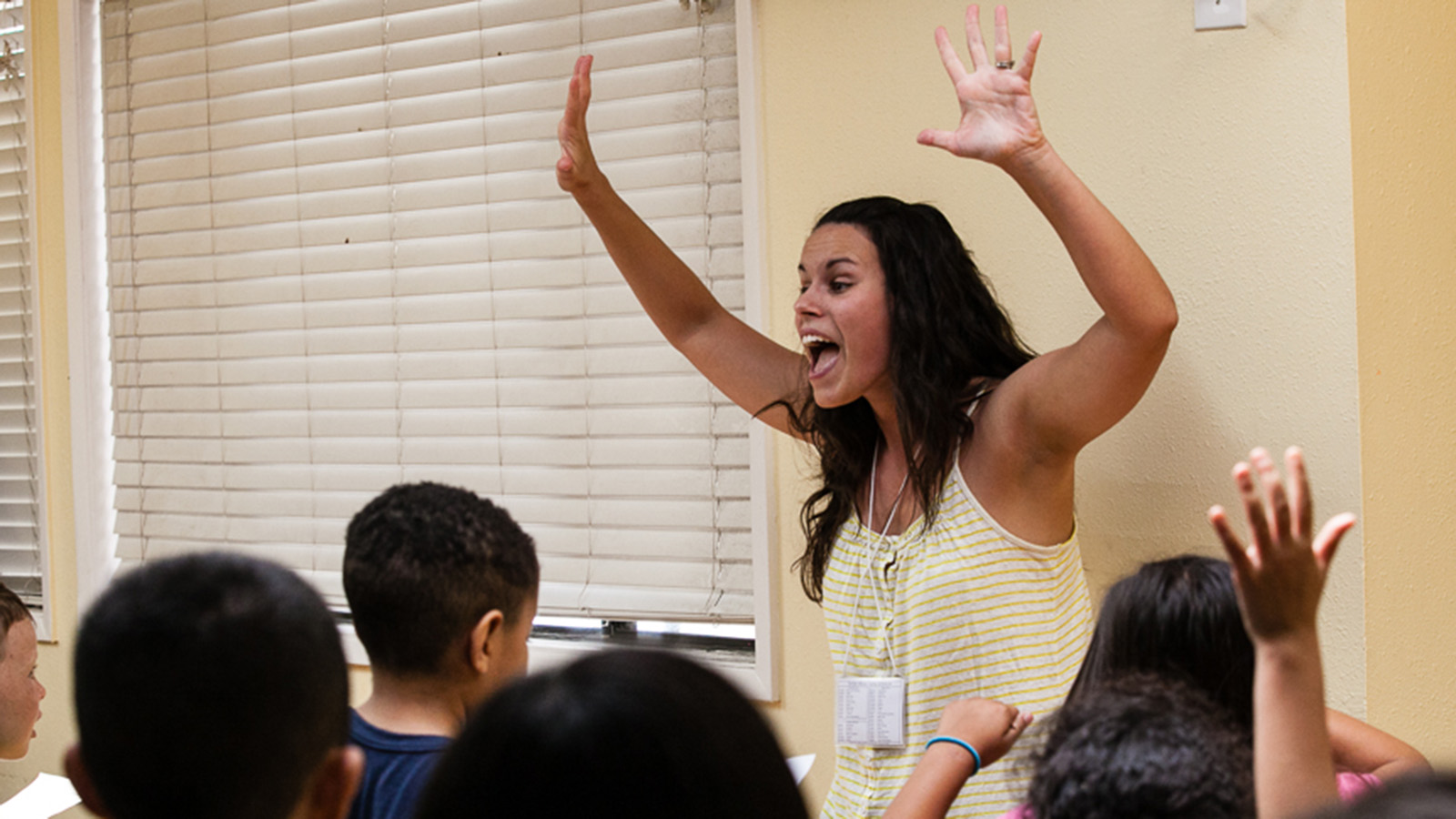
 Adam McLean