Creative Monologue
with teaching artist Khaleshia Thorpe-Price

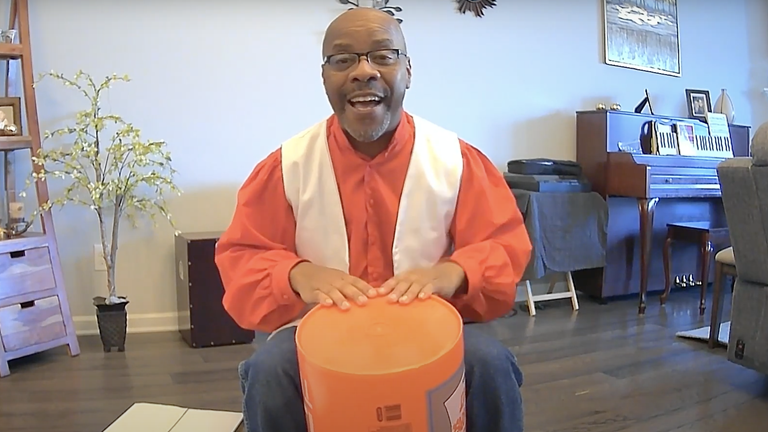
Teaching artist Khaleshia Thorpe-Price breaks down the process of creating an original monologue based on a favorite character and how to bring this character to life through performance.

Recommended for Grades 3-12

In this resource you will:

  • Create a monologue for a character from a book, TV show, or movie 
  • Step into the role of a character and perform a monologue in their voice
  • Put together a costume for your character using items from around your home 

Explore our other video-based activities!
Getting Started

Vocabulary You Will Learn:

  • Monologue - A speech given by a single character in which the character reveals personal feelings, actions, and objectives to another character or to members of the audience.
  • Objective - A character’s “big want.” 

Materials You Will Need:

  • Items from around your home that you can use to create a costume for your character 

Watch the Video

Try It Yourself

How to Create Your Own Monologue Based on a Favorite Character 

  1. First, choose a favorite character from a book, TV show, or movie. 
  2. Decide what your character’s objective, or “big want,” is. What do they want more than anything? Then, think about what your character will do to get what they want. What are the challenges they’ll face in trying to get what they want?
  3. Next, choose one word that you would use to describe your character. Are they shy, nervous, adventurous? This word will help you later when you step into the role of your character. 
  4. Now, we’re going to step into our character’s shoes and start the process of becoming them. What are they thinking? What are they feeling? You can check back with the story your character is from to fill in these details.
  1. Next, it’s time to decide what the character will say in their monologue, using your own words. Decide if the character will be talking to another character or talking to themselves. What will your character say about the situation they are in? What will they say about how they are going to get what they want?  What stands in their way?
  2. Now it’s time to create a costume for your character! What items can you find around your home that you can wear that will help to bring your character to life? 
  3. Finally, it’s time to step into your character’s shoes and act out your monologue! Think about the word you came up with earlier to describe your character. If you described your character as shy, make sure you keep that quality in mind and pretend to be shy as you become your character. Then it’s time to perform!

Think About

In this video, Khaleshia demonstrates how to create a monologue for a favorite character and how to bring this character to life through performance. If you want to go even further, think about these questions: 

  • Imagine that the tactic your character uses to try to get their objective doesn’t work. What other things can they try to get what they want? You can add these ideas to your monologue. 
  • Now that you’ve created a monologue for a character you know, can you create a monologue for a made up character? What character can you come up with from your imagination? What do they want? How will they get it? 
  • You’ve created a monologue, which is when one character speaks. Can you create a dialogue, which is when two or more characters speak? What would two characters in your story say to each other? Can you find someone to act out your dialogue with you?
  • In addition to creating a costume for your character, can you also create a set? What furniture or other items can you use to create the world your character inhabits?

Accessibility

Don't forget that you can turn on "Closed Captioning" to view the YouTube video with English captions.


More about the Teaching Artist

Khaleshia Thorpe-Price is a theater teaching artist from Montgomery County, Maryland. She facilitates workshops and residencies for infants, toddlers, and children in grades PreK-12. Khaleshia believes that everyone is full of creativity, curiosity, and imagination, and her mission is to nurture and cultivate these seeds of imagination until they are in full bloom.


Video Activity Credits

Resource Production: Kennedy Center Education

Additional Content: Laurie Ascoli

Copy Editing: Sandra Frey; Alyssa Kariofyllis

Revisions: Alice Doré

  • Teaching Artist

    Khaleshia Thorpe-Price

  • Curriculum & Media Development

    Kennedy Center Education

  • Content Editor

    Laurie Ascoli

  • Revised

    December 19, 2024

Related Resources

Media Find Your Character Voice

Teaching artist Alan Bomar Jones demonstrates how to use different vocal ranges to create original character voices inspired by items and pictures found around the home.

Lesson A Character Life Box

In this 6-8 lesson, students will analyze the unique characteristics, props, or features of characters from The Shakespeare Stealer. Students will collect props to create a “life box” as clues for interpreting the character’s identity.

  • Grades 6-8
  • Visual Arts
  • English & Literature

Lesson Character Building

In this 9-12 lesson, students analyze popular book characters and methods of characterization used by writers. Students will apply these methods to create a profile and illustration of an original character. They will write a short script demonstrating two or more characters interacting while mirroring their unique characterizations.

  • Theater Art
  • English & Literature
  • Grades 9-12

Kennedy Center Education logo


Kennedy Center Education provides resources and experiences that inspire, excite, and empower students and young artists, plus the tools and connections to help educators incorporate the arts into classrooms and learning spaces of all types.

Connect with us!

spacer-24px.pngyoutube.png    facebook.png    twitter.png    instagram.png    email.png

Sign up to stay informed!

Generous support for educational programs at the Kennedy Center is provided by the U.S. Department of Education.

Gifts and grants to educational programs at the Kennedy Center are provided by The Paul M. Angell Family Foundation; Bank of America; Capital One; The Morris and Gwendolyn Cafritz Foundation; Carnegie Corporation of New York; The Ednah Root Foundation; Genesis Inspiration Foundation; Harman Family Foundation; William R. Kenan, Jr. Charitable Trust; the Kimsey Endowment; The Kiplinger Foundation; Laird Norton Family Foundation; Lois and Richard England Family Foundation; Dr. Gary Mather and Ms. Christina Co Mather; The Markow Totevy Foundation; Dr. Gerald and Paula McNichols Foundation; The Morningstar Foundation; Myra and Leura Younker Endowment Fund; The Irene Pollin Audience Development and Community Engagement Initiatives;

Prince Charitable Trusts; Dr. Deborah Rose and Dr. Jan A. J. Stolwijk; Rosemary Kennedy Education Fund; The Embassy of the United Arab Emirates; The Victory Foundation; The Volgenau Foundation; Jackie Washington; GRoW @ Annenberg and Gregory Annenberg Weingarten and Family; and generous contributors to the Abe Fortas Memorial Fund and by a major gift to the fund from the late Carolyn E. Agger, widow of Abe Fortas. Additional support is provided by the National Committee for the Performing Arts..

The content of these programs may have been developed under a grant from the U.S. Department of Education but does not necessarily represent the policy of the U.S. Department of Education. You should not assume endorsement by the federal government.