The JFK Ideal of Freedom
What makes you feel FREEDOM? How does the word FREEDOM make your body move? Watch the video and explore the teaching guide to learn more!
Before watching the video, be sure to review the teaching guide for FREEDOM. It contains viewing recommendations, activities, ways to extend your students' learning, and much more!
Watch the FREEDOM video!
OOPA’s World of Words: FREEDOM
What makes us feel FREEDOM?
FREEDOM Teaching Guide
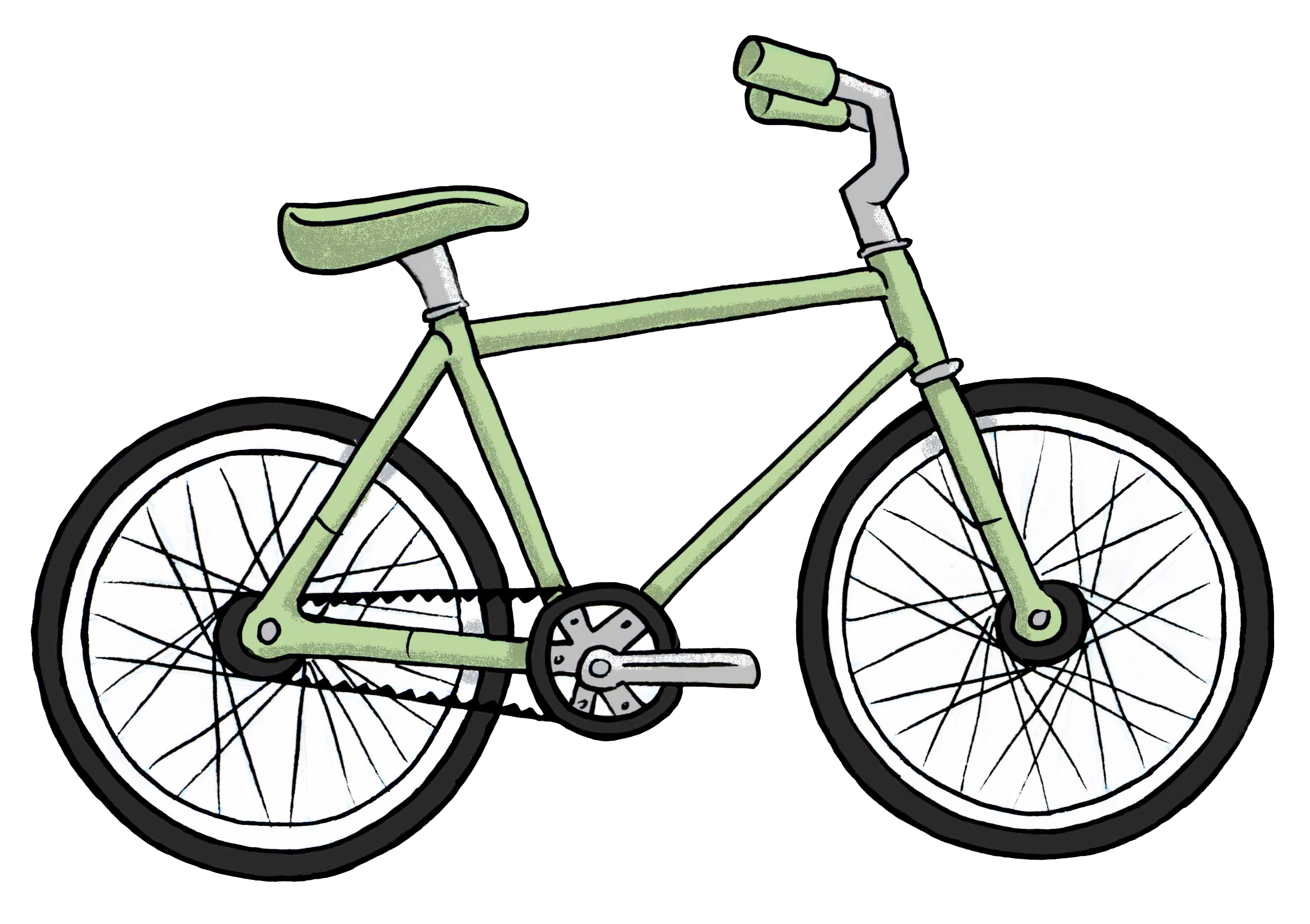
In this civic lesson, students will visit OOPA’s Wordshop to connect with the word FREEDOM. They will watch a short video that introduces this civic character trait through conversation and movement. Then, students will collaborate to create a bicycle mural to express what makes them feel FREEDOM.
Learning Objectives
Students will be able to:
- Identify people, places, and things that give you a feeling of FREEDOM
- Explain how FREEDOM makes you feel
- Create a bicycle mural that represents people, places, and things that make you feel FREEDOM
Materials
- Chart paper and markers
- FREEDOM Bicycle Mural Template
- Butcher block paper
- Acrylic markers
- Wall-safe tape
- Optional: journal or shoebox
Accommodations and Modifications
Prepare the learning space to allow room for movement. Students can stand or sit while connecting to the word FREEDOM in the movement segment. Use assistive art tools for the bicycle mural activity and provide ample time for student reflection.
Before the Video
What do you know about FREEDOM? Allow students time to reflect and respond to the question or have a “turn and talk.”
During the Video
Play the FREEDOM video from OOPA’S World of Words. If needed, pause the video after the conversation in the Wordshop segment [2:53] to prepare students for movement.
After the Video
What does the word FREEDOM make you think about? How does the word FREEDOM make your body move? Allow students to reflect and respond to the question or have a “turn and talk.”
Whole Group Movement
Write the word “FREEDOM” on chart paper or the board. Create a two-column visual, with the left side titled “I feel FREEDOM when…” and the right side titled “Movement.” Create a class list of 10 things that give students a sense of FREEDOM, then brainstorm a
movement/gesture to pair with each. Encourage students to be specific and dig deep into their responses — “exploring nature” vs “explore” or “dancing at a party” vs “dance.” Use those responses to generate movement ideas. For example, exploring nature/looking around through binoculars, dancing at a party/raising arms and moving hips. Be playful and have fun with the movements! When the list is done, lead students through the movements. Each day, select a different student to review the list and guide the class in a group movement activity.
Going Deeper with the Arts
Advance preparation: Use a projector or smart board to display the FREEDOM Bicycle Mural Template onto a large sheet of butcher block paper. Lightly trace the projected bicycle image onto the paper with a pencil, then retrace the bicycle with a black jumbo acrylic paint marker. Trace the word “FREEDOM” in large block letters. Draw boxes or partitions in the blank areas around the bicycle and the word FREEDOM. Make sure there are enough sections for each student to have their own creative space.
Ask the essential question: What makes you feel FREEDOM? Set up a mural station so students can work on the FREEDOM mural. Give students acrylic paint markers to write or draw what FREEDOM means to them. (Washable markers or crayons can be used instead of acrylic paint markers). Encourage students to express what makes them feel FREEDOM with words, symbols, or illustrations. Then use wall-safe tape to attach the mural to the wall. Have students showcase their collaborative artwork. Ask: How can a bicycle symbolize the FREEDOM we feel?
Extend the Learning
CIVICS Journal or Mailbox
Create a class CIVICS journal or mailbox where students, teachers, and staff can document acts of COURAGE, FREEDOM, GRATITUDE, JUSTICE and SERVICE that they witness throughout the school year. Establishing a routine to celebrate and recognize these acts fosters a positive school community, strengthens relationships and enhances well-being.
Say Hi to OOPA
OOPA loves to receive and respond to letters. Use this Write to OOPA Template or send your own letter and drawing to: OOPA, PO Box 467, Pipersville, PA 18947

Head back to the main page to view the other videos in the series!

The Vice President of Education is generously endowed by the A. James & Alice B. Clark Foundation.
Generous support for educational programs at the Kennedy Center is provided by the U.S. Department of Education.
Gifts and grants to educational programs at the Kennedy Center are provided by The Paul M. Angell Family Foundation; Bank of America; Capital One; The Morris and Gwendolyn Cafritz Foundation; Carnegie Corporation of New York; The Ednah Root Foundation; Genesis Inspiration Foundation; Harman Family Foundation; William R. Kenan, Jr. Charitable Trust; the Kimsey Endowment; The Kiplinger Foundation; Laird Norton Family Foundation; Lois and Richard England Family Foundation; Dr. Gary Mather and Ms. Christina Co Mather; The Markow Totevy Foundation; Dr. Gerald and Paula McNichols Foundation; The Morningstar Foundation; Myra and Leura Younker Endowment Fund; The Irene Pollin Audience Development and Community Engagement Initiatives;
Prince Charitable Trusts; Dr. Deborah Rose and Dr. Jan A. J. Stolwijk; Rosemary Kennedy Education Fund; The Embassy of the United Arab Emirates; The Victory Foundation; The Volgenau Foundation; Jackie Washington; GRoW @ Annenberg and Gregory Annenberg Weingarten and Family; and generous contributors to the Abe Fortas Memorial Fund and by a major gift to the fund from the late Carolyn E. Agger, widow of Abe Fortas. Additional support is provided by the National Committee for the Performing Arts..
The content of these programs may have been developed under a grant from the U.S. Department of Education but does not necessarily represent the policy of the U.S. Department of Education. You should not assume endorsement by the federal government.