Media Five(ish) Minute Dance Lessons: Swing Dance
Learn the basics of swing dance, called East Coast Swing; take it up a notch with the Charleston; and if you're really swingin' after that, you can learn the most advanced swing dance, the Lindy Hop.
Louis Armstrong said, “If you can’t feel Swing, you’ll never know it.” This series, hosted by Connaitre Miller of Howard University, explores why Swing was the most popular dance music in America and how it is still alive today in dance halls, clubs and movies.
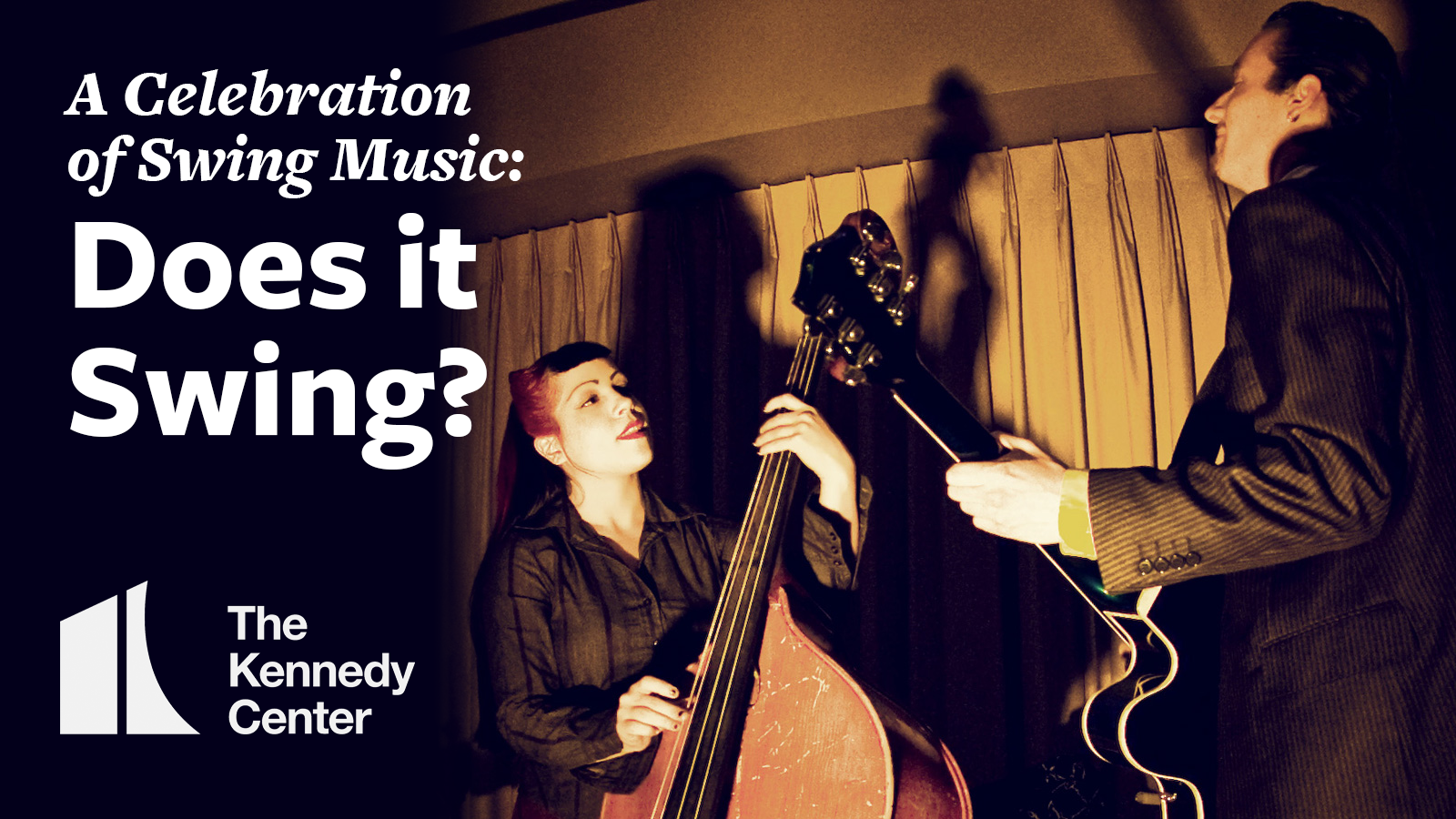
There’s a question every good jazz musician can answer just by listening to a song: “Does it Swing?” In this episode, we introduce several kinds of vintage and modern swing music: Swing Jazz, Western Swing, Gypsy Swing, and New Jack Swing and learn what music needs to have in order to “Swing.”
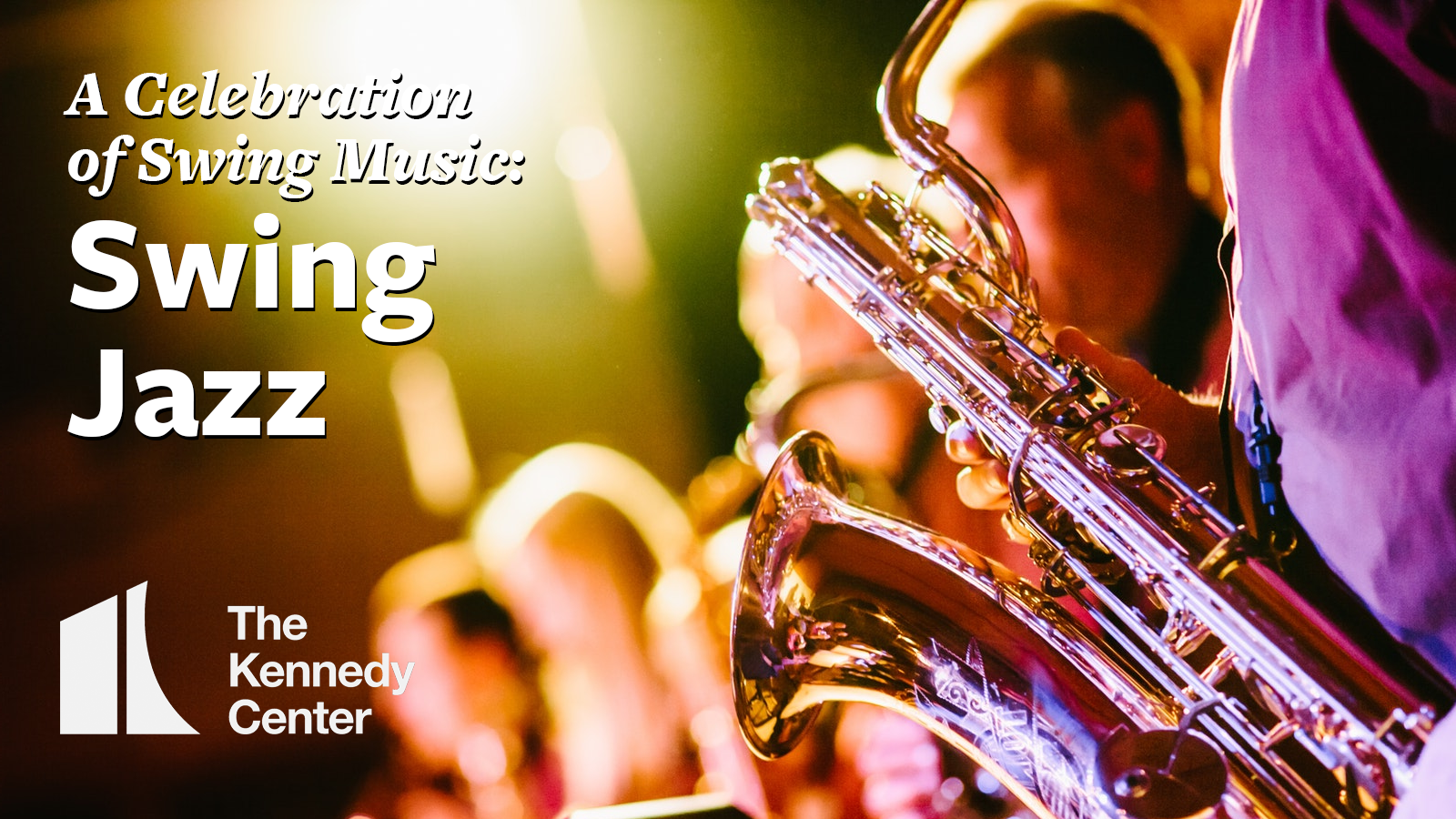
“Swing” took over the jazz world in the 1930s and became the music your great-grandparents danced to during World War II. In this episode, modern day Swing performers explain and demonstrate where Swing Jazz came from, why it was so popular, and where you can find it today.
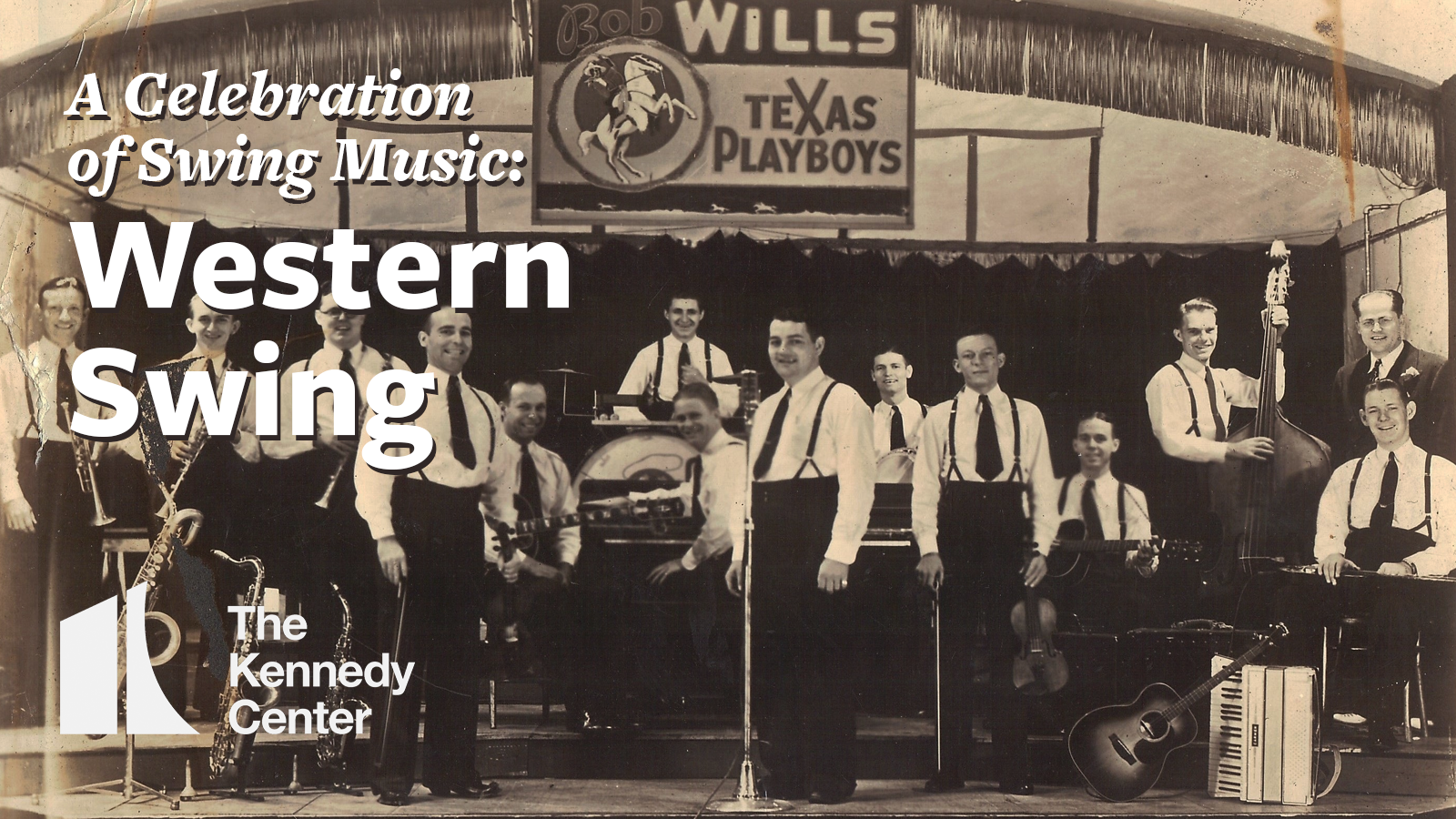
In the 1930s, two types of American music, the rural Country/Western and the urban Swing Jazz, were combined to create Western Swing, a popular type of music that crossed racial boundaries. In this episode we’ll learn about the roots of Western Swing, and hear the music of its most famous performer, Bob Wills.
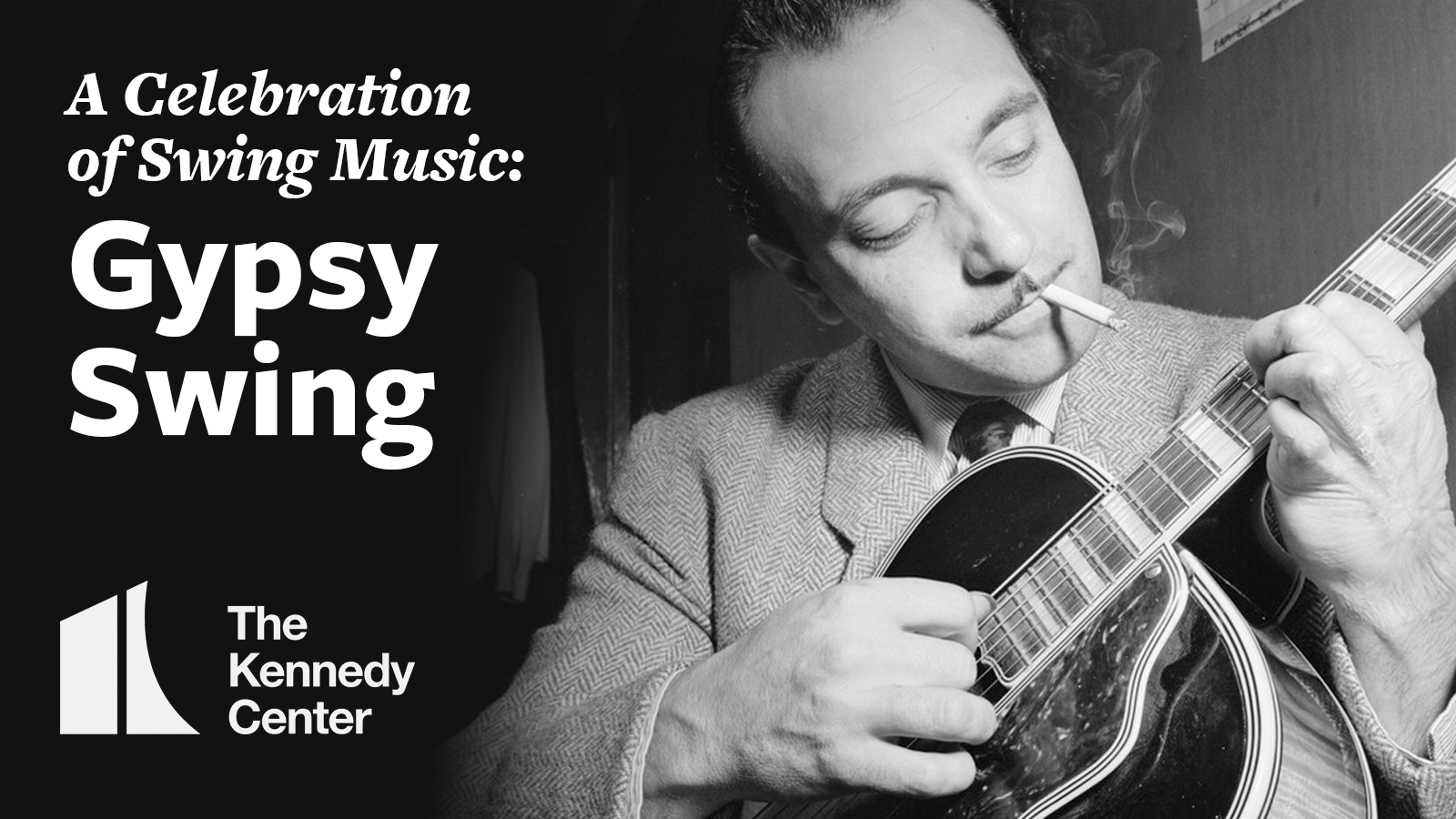
Jazz is a purely American form of music. With one exception. In the 1930s, Hungarian guitarist Django Reinhardt created a unique form of jazz – Gypsy Swing – that mixed traditional Eastern European music with an American beat. In this episode, Gypsy Jazz violinist Tony Ballog introduces us to the music of Django Reinhardt and Gypsy Swing.
What is Swing? Swing Explained in 2 Minutes
History Brief: Big Bands & Swing Music in the 1930s
Jazz Fundamentals: What Is Swing?
The Subject is Jazz: Swing
“Jumpin’ Jive” - Cab Calloway and the Nicholas Brothers
Duke Ellington - “It Don’t Mean a Thing” (1943)
Count Basie - “Easin It” Stockholm, 1962
Oscar Peterson - C Jam Blues
Buddy Rich with Tommy Dorsey & his Orchestra 1943 “Well Git It”
Bob Wills and His Texas Playboys, 1951
Django Reinhardt 1945
Gypsy Jazz: The Django Reinhardt Festival
Big Bad Voodoo Daddy - “You and Me (And The Bottle Makes Three)”
Juice - Vintage 1920s Gatsby Style Lizzo Cover ft. Mario Jose
’

Narrator
Connaitre Miller
Audio Producer
Richard Paul
Producer
Kenny Neal
Published
September 9, 2019
Learn the basics of swing dance, called East Coast Swing; take it up a notch with the Charleston; and if you're really swingin' after that, you can learn the most advanced swing dance, the Lindy Hop.
Foot thumping rhythms, crooning voices, soulful melodies – jazz is a music with a history as rich as its sound. Follow the great migration that lead African Americans to Harlem, meet jazz icons such as Bessie Smith and Charlie Parker, and stop by the Cotton Club and Apollo Theater on a journey through the past of this American art form.
Learn the basics of jazz music and how the art form works. Along with his band, Jason Moran shows you how jazz is more like skateboarding and football than you would think, as well as plays original and classic jazz standards.
Featuring Dianne Reeves with Kurt Elling, Darryl Pitt, Larry Rosen, and Don Was

Kennedy Center Education provides resources and experiences that inspire, excite, and empower students and young artists, plus the tools and connections to help educators incorporate the arts into classrooms and learning spaces of all types.


Generous support for educational programs at the Kennedy Center is provided by the U.S. Department of Education.
Gifts and grants to educational programs at the Kennedy Center are provided by The Paul M. Angell Family Foundation; Bank of America; Capital One; The Morris and Gwendolyn Cafritz Foundation; Carnegie Corporation of New York; The Ednah Root Foundation; Genesis Inspiration Foundation; Harman Family Foundation; William R. Kenan, Jr. Charitable Trust; the Kimsey Endowment; The Kiplinger Foundation; Laird Norton Family Foundation; Lois and Richard England Family Foundation; Dr. Gary Mather and Ms. Christina Co Mather; The Markow Totevy Foundation; Dr. Gerald and Paula McNichols Foundation; The Morningstar Foundation; Myra and Leura Younker Endowment Fund; The Irene Pollin Audience Development and Community Engagement Initiatives;
Prince Charitable Trusts; Dr. Deborah Rose and Dr. Jan A. J. Stolwijk; Rosemary Kennedy Education Fund; The Embassy of the United Arab Emirates; The Victory Foundation; The Volgenau Foundation; Jackie Washington; GRoW @ Annenberg and Gregory Annenberg Weingarten and Family; and generous contributors to the Abe Fortas Memorial Fund and by a major gift to the fund from the late Carolyn E. Agger, widow of Abe Fortas. Additional support is provided by the National Committee for the Performing Arts..
The content of these programs may have been developed under a grant from the U.S. Department of Education but does not necessarily represent the policy of the U.S. Department of Education. You should not assume endorsement by the federal government.


