by Rupa Mehta, Teacher, Wellness Expert, and Founder of NaliniKIDS
A guide for teachers on using movement to enhance focus, support classroom transitions, make deeper content connections, and ultimately transform the future of learning.
Recommended for Educators of Grades K-12
In this resource you’ll:
Examine how movement bridges the mind-body gap
Discover intentional “Ready to Learn” movements
Explore WORD workouts
Learn the link between physical movement and emotional regulation
Gain tips for incorporating daily movement into the classroom
Introduction
Think about a student getting ready to walk into their school’s classroom today. What are they thinking about? What body language do you picture?
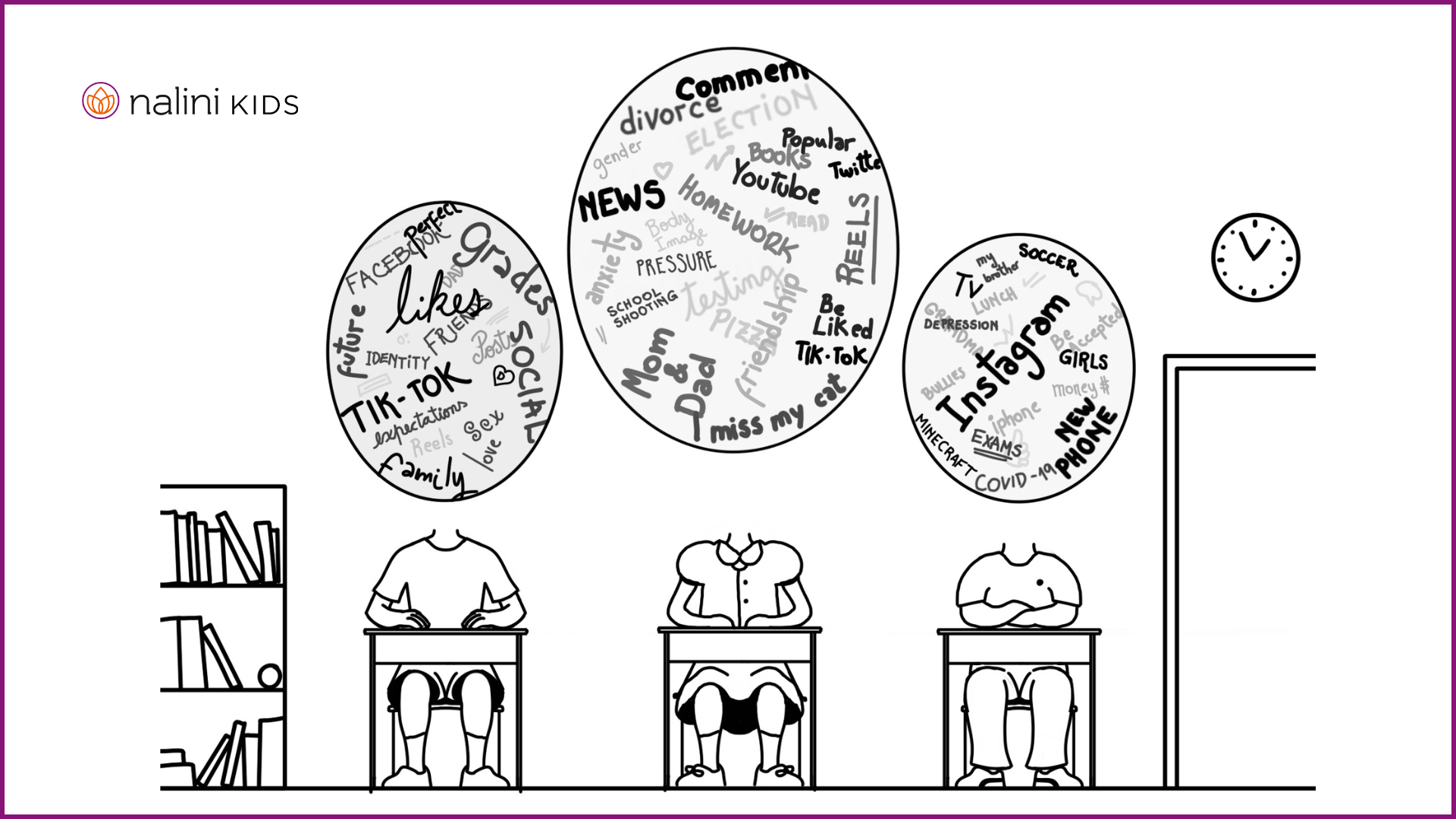
The visual that comes to mind for me is a fifth-grade student, backpack on, getting stuck in the doorway, unable to fully enter the room. Why are they stuck? Their head, filled with so much stuff—social media, testing, overscheduling, and a 24-hour news cycle—is figuratively too big to enter the classroom.
After they squeeze through and their body comes to sit down at the desk, their preoccupied head disconnects and slowly floats away from the present classroom moment. They do not feel ready to learn. With “reality” taking up so much space in our students’ heads, the image below illustrates what the modern classroom often feels like, with a palpable disconnect between the mind and body.
This disconnect affects everything from the school climate to future outcomes and is happening nationwide. From math class to art class, from rural schools to urban districts, from our youngest learners to our eldest graduates, students don’t feel present and available to learn. Movement can help solve many of these problems.
Moving the Body, Moves the Mind
We are built to move. We are hardwired to react physically to stimuli, experiences, and people. Movement in any form is an organic and instinctive part of how humans have always lived, yet it has become an inessential part of education. This oversight limits learning and causes a massive disconnect for the modern student.
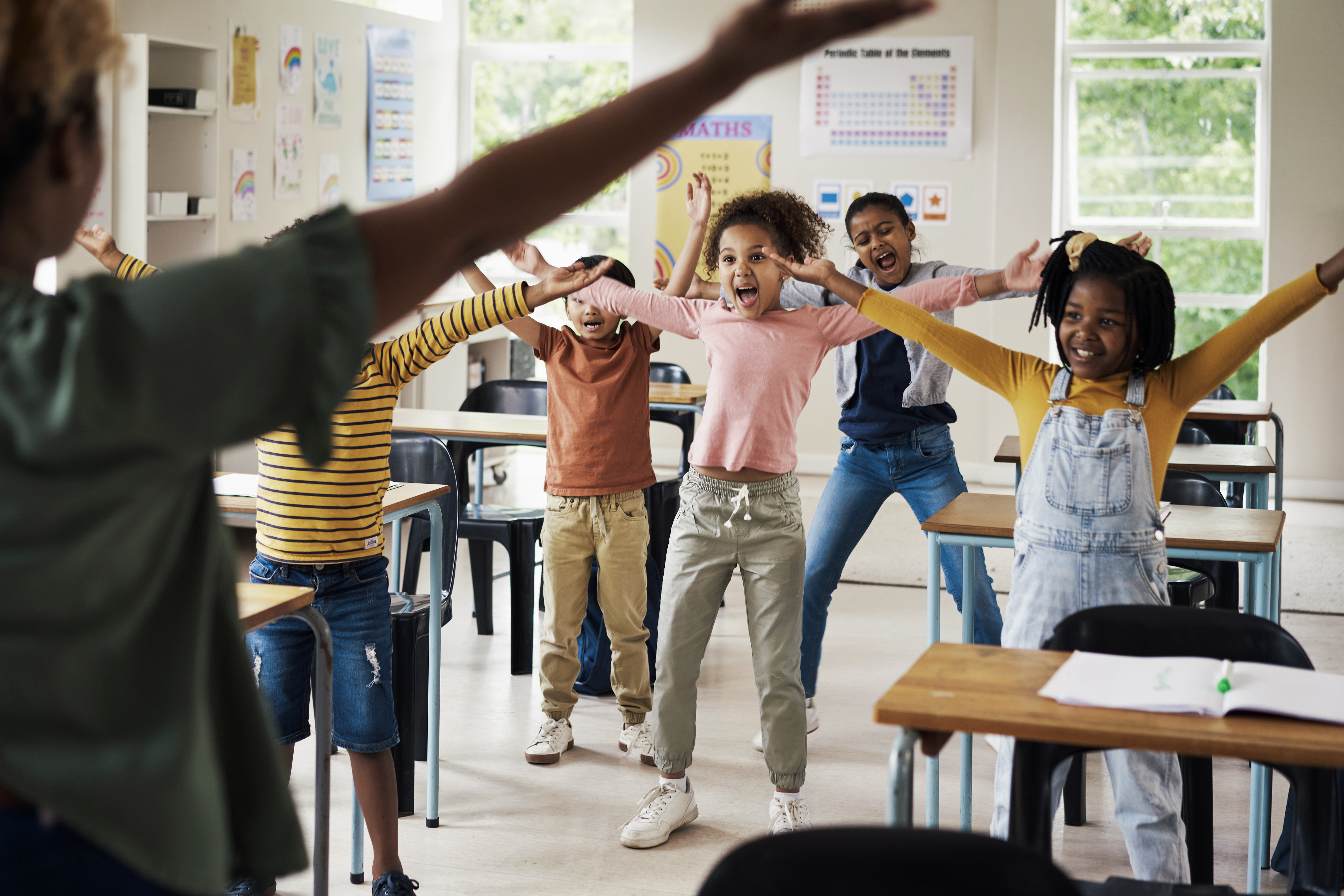
Pixdeluxe via Getty Images
By incorporating movement into your classroom, you can unlock a door to higher engagement. When students move and are inspired to be present physically, they have the strength and energy to clear their minds and focus mentally. As a result, they become more excited and curious about learning.
Fortunately, many of us are already on the right track, starting off the day with emotion check-ins, mood meters, and mindful activities. Brain breaks are fun but are often simply a physical outlet, devoid of a connection to the mind. We can do so much more with that time if we combine these efforts, supporting the mind and body simultaneously. You can use simple movements at any time of day to bridge the mind-body gap and help students stay present, access learning, and unlock potential.
‘Ready to Learn’ Movement
“If you can hear me, touch your head. If you can see me, touch your nose. If you want to be here, touch your knees.” These are the words of my daughter’s basketball coach, who uses simple movements with intention to get a group of rowdy five-year-olds immediately quiet and ready to learn the next skill.
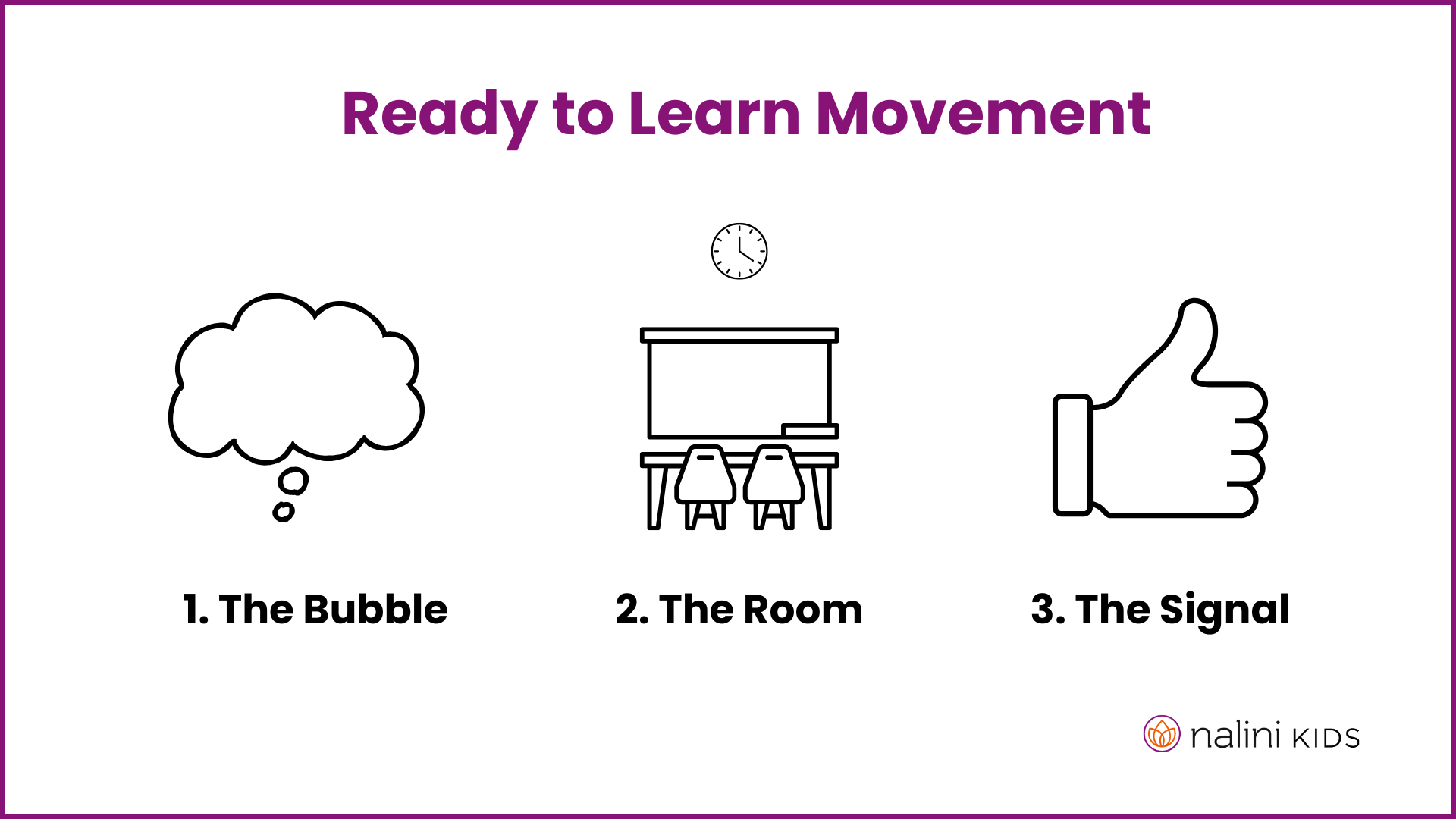
Throughout the average seven-hour school day, students are expected to transition from one subject or activity to the next 10 to 12 times. Because transitions often require us to exercise flexibility, emotional control, task initiation, and other executive skills, they can be especially difficult for learners with academic challenges and disabilities. Whether a transition in the school day requires a physical relocation to another part of the school building or just a mental transition in the same physical space, we can make the shift easier by acknowledging that it’s happening and pairing it with a “Ready to Learn” movement. Try these steps during a challenging transition time (e.g., after lunch or recess) to give closure to the prior activity and get your students ready to learn what’s coming next:
The Bubble. Stand up at your desk and close your eyes. Imagine a thought bubble over your head that contains what you just finished doing [insert last subject/activity]. What did you do? How do you feel? On the count of three, we’re going to clap our hands, pop that bubble, and transition to this moment we are sharing right now. One, two, three, clap!
The Room. Open your eyes and stand up tall. Look around the room. Think about where you are, who is here, and what we’re about to do next: [insert next subject/activity]. Let’s take one slow breath together, raising our arms up to the ceiling on the inhale and lowering them to our sides on the exhale.
The Signal. Sit down and give me a signal that you’re ready to learn. This can be a thumbs up, a raised hand, a smile—mix it up to keep it interesting.
Transitions are easy to take for granted but are opportune times to inject a bit of mindfulness and movement to set students up for success. This three-step “Ready to Learn” exercise can take less than a minute and save you time and stress in the long run. You will efficiently and effectively get a room full of students to indicate they are ready to learn, ensuring more buy-in and investment in your lesson.
WORD Movement
“I have not failed. I’ve just found 10,000 ways that won’t work.”
Imagine that you’re teaching a fourth-grade class about inventor Thomas Edison, and you share this infamous quote of his. What you’re referring to is his incredible ability to persist in the face of setbacks—his PERSEVERANCE, a trait we want our kids to understand and embody in their own lives.
Now, imagine that you pair this social-studies lesson with a WORD Movement from this series of exercises I created, called WORD Workouts.
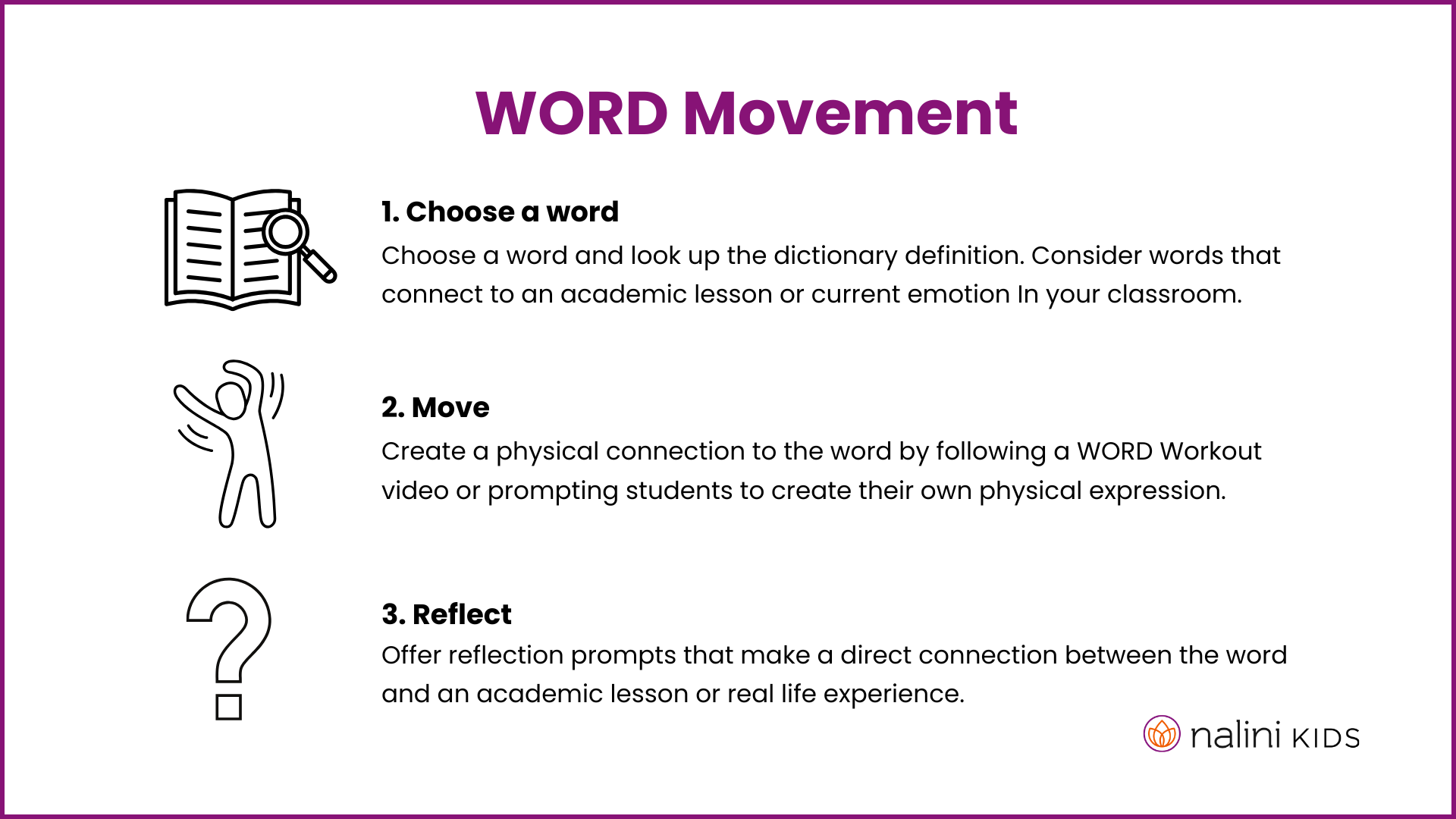
Pairing an intentional movement, like a wall squat, with the word “PERSEVERANCE” allows students to experience the word in their own bodies, making it more personal, tangible, and memorable. As demonstrated in this video, WORD Movements follow a simple, three-step template:
Focusing on a single word gives the mind and body a common point of attention. The intentional movement opens the door for emotional and/or academic connections to follow. What does PERSEVERANCE mean to you in this moment? Describe a historical figure who practiced PERSEVERANCE through challenges.
WORD Movements can increase retention of new academic concepts. Multimodal learning—the simultaneous engagement of multiple senses and learning styles—allows students to engage in ways they prefer or have an aptitude for while challenging them to learn in other ways in which they have less interest or ability. Psychologist Howard Gardner’s theory of intelligence famously addresses the concern that too much teaching and learning is based in linguistics—reading, writing, and speaking—and that educators and students need to better utilize other types of intelligence. Incorporating our natural desire to move and our physical intelligence while learning new concepts will lead to greater retention.
There are abundant opportunities for all teachers—regardless of subject matter, background, and physical ability—to uniquely connect their lessons and concepts to specific WORD Movements. Try the ones below, and be empowered to create your own WORD Movement!
Early childhood
Use the GARDENING movement to get students excited about science or the seasons.
Late elementary/middle
Use the IMAGINE movement when teaching about how imaginative storytelling has influenced societies throughout history.
Middle/high school
Use the SOLUTION movement before problem-solving or debating a societal issue.
Intentional movement—not just “moving to move”—gives the mind a focal point and helps declutter the thoughts of the modern student. Zeroing in on a single word while moving makes the mind-body connection a concrete catalyst for learning.
Physical movement builds emotional muscles, too
Movement can be as simple as a gesture or as complex as a gymnastics routine. Movement of any kind is a tool that enhances our mental focus to help us achieve goals. Here are some of the many beneficial connections between physical movement and emotion regulation:
Physical endeavors give us an opportunity to set and work toward measurable goals, learning that not every journey is linear; there will be setbacks that require patience. When we learn how to persevere through a physical challenge, we can more easily learn how to persevere through emotional challenges.
Intentional movement can teach us how to listen to our bodies. Learning when to take a break and when to try again can shed light on positive and negative self-talk and stretch our spectrum for emotional self-management.
Movement teaches us to respect and appreciate our own bodies and those of others. It builds our confidence to engage with ourselves and our community more thoughtfully.
We want to raise kids who can receive feedback, celebrate small wins, and develop strength and humility. When students experience all of these things alongside their peers and teachers, that shared vulnerability and growth strengthen their relationships. Movement improves the energy of each student, the classroom, and the overall learning environment.
Modern student, modern classroom
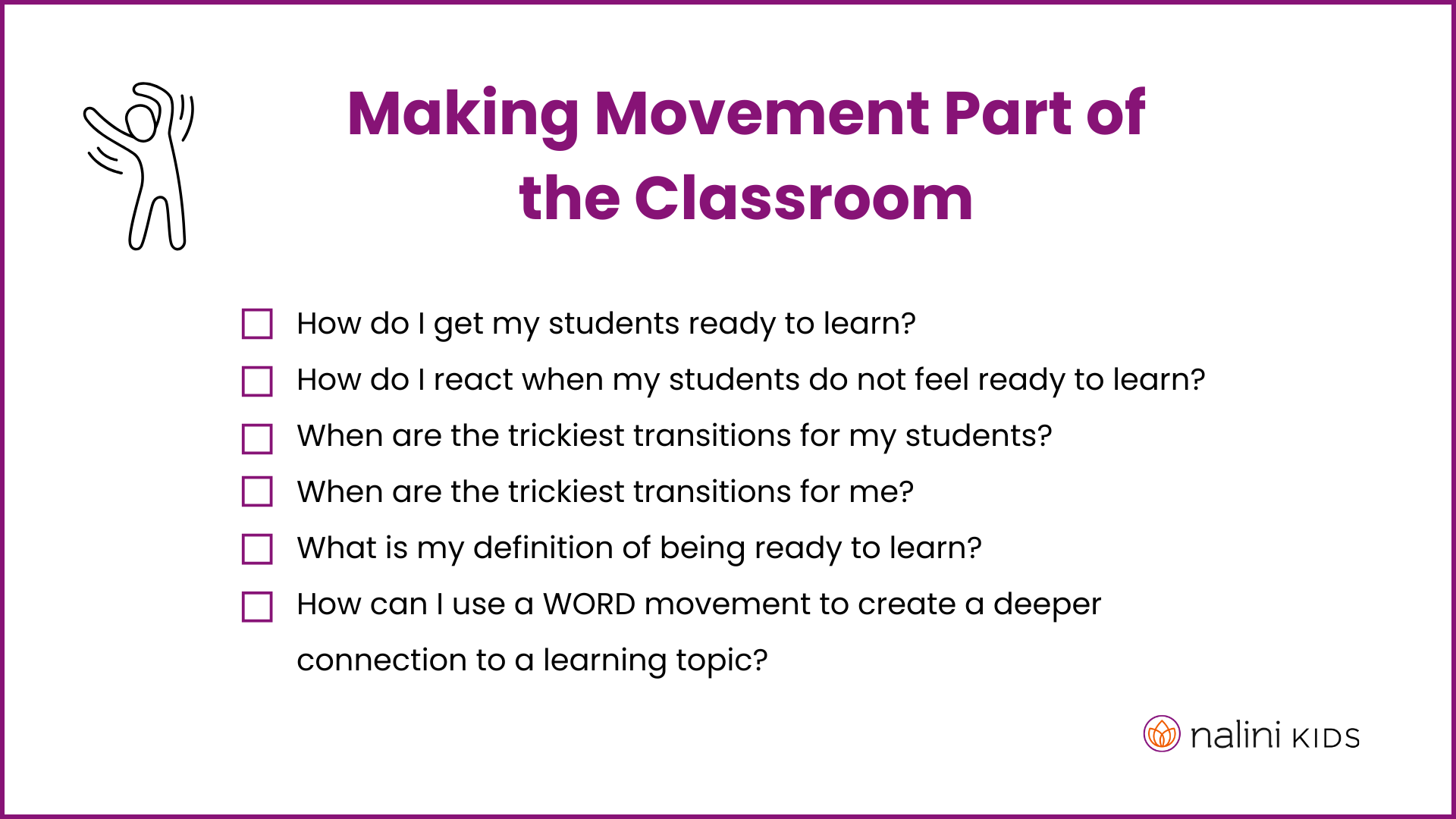
So, what can you do to create the modern classroom environment needed for your modern students to succeed? Daily movement does not have to feel like a “pie in the sky” goal; think out of the box and ask yourself, What small adjustment and/or habit can I introduce to my classroom or school today to effect a lasting mind-body connection?
We can help students regulate their emotions and ability to focus by planning for moments when movement is needed, such as before a big math exam, to build confidence and reduce stress; during breaks between long testing sessions, to release tension; and after recess, to anchor the body and mind. We can utilize the body to move a stuck mind toward openness and learning. If we anticipate emotional or mentally busy moments for our students, we can proactively avoid dysregulation rather than react to it.
Beyond your classroom
Although we want to nurture the “whole child,” most school buildings aren’t physically set up to support this. For example, the counselor and the phys ed teacher each have a unique vantage point from which to interact regularly with every single child in the building and would benefit from each other’s insight, yet they hardly even connect to each other. Talk about a mind-body disconnect! The reality is that your body literally goes everywhere your mind goes. Are there opportunities for you and your students to stop and consider whether your minds and bodies are still connected and working toward the same goal? Do you have a consistent relationship with the counselor and/or phys ed educator in the building? Is it easy to connect with them in person about individual students?
We’ve seen it in every other industry: When we rethink spaces and a building’s blueprint, that alone can cause meaningful behavior change. Emotional support for our kids should not be relegated to “putting out fires” as they arise. And physical outlets should not be relegated to one room or one-off time slots tucked away in the margins of a school day. Our daily school environment should offer easy and frequent access and opportunities for everyone to engage in a true mind-body connection.
Conclusion
If we have more distractions and ways to lose focus today than ever before, our students need more outlets for movement and opportunities to gain focus than ever before. Movement is as natural as breathing and is a birthright we can reclaim as a crucial part of learning.
Imagine if you had grown up doing simple, intentional movements throughout the school day in elementary, middle, and high school. Regulating yourself to focus for optimal learning would have become second nature, an easy habit to carry into adult life and the professional world. Establishing one (yes, just one!) consistent approach to infusing your classroom with movement can be a gateway to lifelong habits of mindfulness, presence, and mental preparedness.
Let’s move the disconnection to connection, share the heavy burden in our heads with our capable bodies, and exchange our endless laundry lists of goals for a singular commitment to a simple yet impactful daily habit: movement.
With mind and body intact, we can confidently open the door to optimal learning. I’m ready. Are you?
The PERSEVERANCE and GARDENING videos are part of a growing collection of resources available at WORDWorkouts.org and OOPAsWorldofWords.org. Created by NaliniKIDS, these programs help to create healthy habits of movement and reflection.
Rupa MehtaRupa Mehta is a teacher, author, wellness expert, and trailblazer in education. She is the founder of NaliniKIDS, a 501(c)(3) nonprofit organization focused on creating PK–12 programs that pair physical movement with emotional reflection. She has published over 40 curriculum books and appeared in many national outlets, including in Forbes, on PBS, and in the New York Times. She is a frequent speaker at leadership conferences and education training programs.
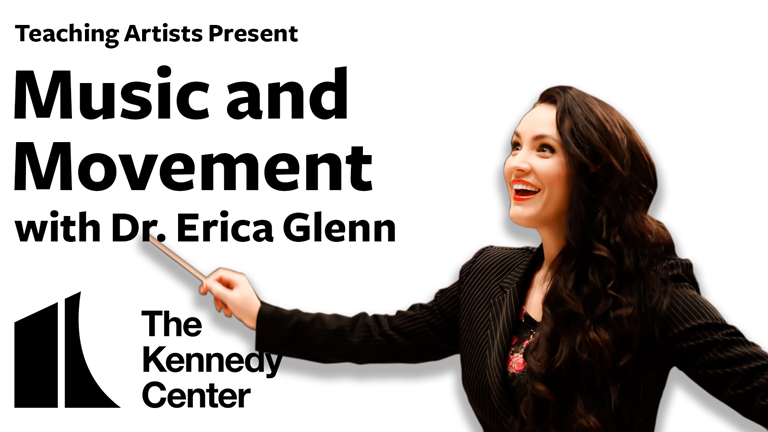
Teaching artist Dr. Erica Glenn demonstrates how to move the body to different kinds of music in order to explore different emotions, energies, and states of mind.
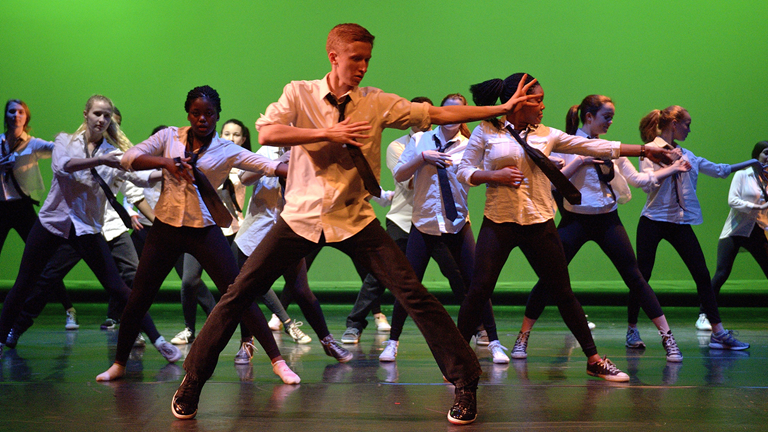
In this 6-8 lesson, students explore the mythological 12-hour journey of the sun god Ra. Students will divide into groups to choreograph a dance representing the different hours of Ra’s journey using locomotor, non-locomotor, and the different qualities of movement. Students will perform their dances in sequence for an audience.
Grades 6-8
Dancing
History
References
Martinelli, Katherine. 2025. “Why Do Kids Have Trouble With Transitions?” Child Mind Institute, February 4. https://childmind.org/article/why-do-kids-have-trouble-with-transitions/. Picciano, Anthony G. 2019. “Blending with Purpose: The Multimodal Model.” Journal of Asynchronous Learning Networks 13 (1): 7-18. https://doi.org/10.24059/olj.v13i1.1673. Russell, Rylee. 2024. “Wellness Wednesday: Movement as Medicine.” NC State University, February 21. https://news.dasa.ncsu.edu/wellness-wednesday-movement-as-medicine/.
In this 6-8 lesson, students will choreograph movement patterns to express information about the basic systems, organs, and functions of the human body. They will work collaboratively to research and plan creative movements, then perform for an audience.
In this K-2 lesson, students will demonstrate skip counting through creative movement. They will observe patterns in African dance, then choreograph movements while skip counting by 5’s.
School leaders can foster arts-integrated learning spaces by planning with purpose, cultivating a shared mindset, growing with their community’s resources in mind, and celebrating every step.
Experience the power of music and movement with Dr. Erica Glenn. In this video, Dr. Glenn will guide you through a series of movement exercises, showing how music can help you understand, process, and even change your emotions. It is through listening, movement, and purposeful pauses that you can continue this journey toward awareness and calm.
When K-12 teachers integrate arts into specific disciplines they can build creative learning spaces without compromising rigor in a primary content area.
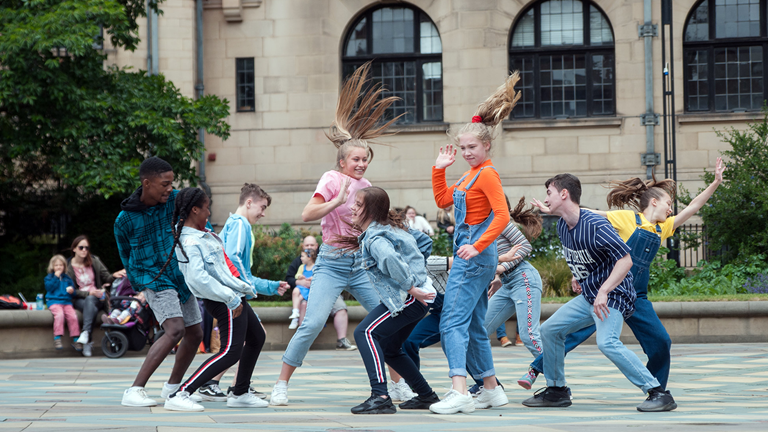
Channel your students’ love of movement with these easy social dances.
Dancing
Health & Physical Education
Kennedy Center Education provides resources and experiences that inspire, excite, and empower students and young artists, plus the tools and connections to help educators incorporate the arts into classrooms and learning spaces of all types.
Generous support for educational programs at the Kennedy Center is provided by the U.S. Department of Education.
Gifts and grants to educational programs at the Kennedy Center are provided by The Paul M. Angell Family Foundation; Bank of America; Capital One; The Morris and Gwendolyn Cafritz Foundation; Carnegie Corporation of New York; The Ednah Root Foundation; Genesis Inspiration Foundation; Harman Family Foundation; William R. Kenan, Jr. Charitable Trust; the Kimsey Endowment; The Kiplinger Foundation; Laird Norton Family Foundation; Lois and Richard England Family Foundation; Dr. Gary Mather and Ms. Christina Co Mather; The Markow Totevy Foundation; Dr. Gerald and Paula McNichols Foundation; The Morningstar Foundation; Myra and Leura Younker Endowment Fund; The Irene Pollin Audience Development and Community Engagement Initiatives;
Prince Charitable Trusts; Dr. Deborah Rose and Dr. Jan A. J. Stolwijk; Rosemary Kennedy Education Fund; The Embassy of the United Arab Emirates; The Victory Foundation; The Volgenau Foundation; Jackie Washington; GRoW @ Annenberg and Gregory Annenberg Weingarten and Family; and generous contributors to the Abe Fortas Memorial Fund and by a major gift to the fund from the late Carolyn E. Agger, widow of Abe Fortas. Additional support is provided by the National Committee for the Performing Arts..
The content of these programs may have been developed under a grant from the U.S. Department of Education but does not necessarily represent the policy of the U.S. Department of Education. You should not assume endorsement by the federal government.
 Rupa Mehta