Composer
Aaron Copland
Virtual Field Trip
Genre
Performances for Young Audiences
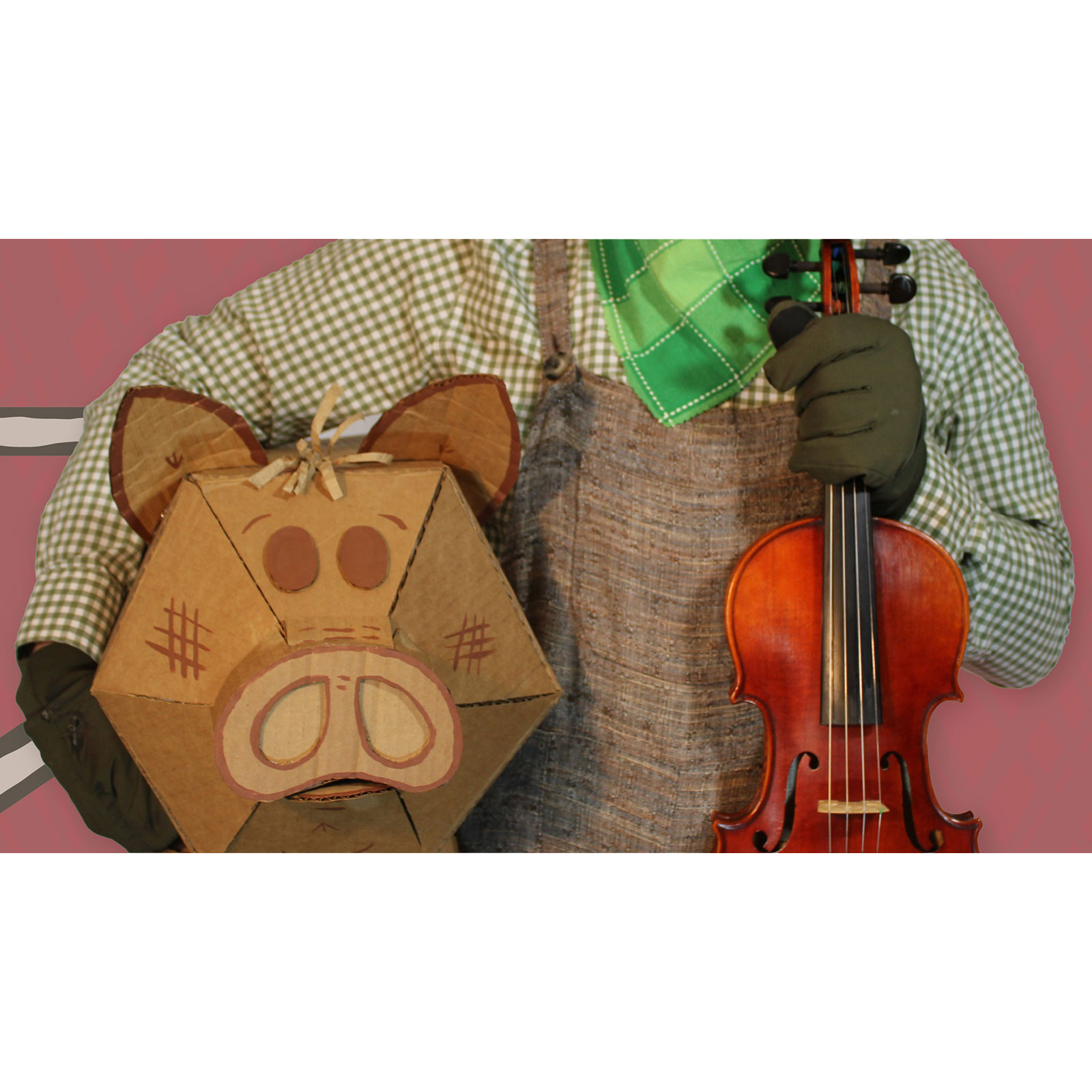
Help Old MacDonald get ready for an orchestral hoedown!
The whole farmyard is getting ready for a hoedown—but it needs your help with the farm chores. This immersive show, developed specifically for toddlers, will have audience members laughing and dancing along with Old MacDonald. Join for a silly adventure featuring puppets, storytelling, dancing, and a string quartet from the National Symphony Orchestra, presented in collaboration with Teller Productions.
Recommended for grades preK-2.
Estimated duration is 40 minutes.
Come meet the animals of Old MacDonald’s Symphony through music, puppets, and storytelling! This guide encourages children to explore all the elements that help to build a story, from dynamics (loud or quiet) in music to the materials used to make puppets. Enjoy activities and resources that embrace imagination and curiosity, and listen to some of the music you’ll hear in the performance. Welcome to the farm, E-I-E-I-O!
This virtual performance is available to stream here for free and requires brief pre-registration. Once you have registered, you can enter your order number below to access the video. If you do not have an order number, please register for access.
Common Core Standards
CASEL Competencies (Social and Emotional Learning)
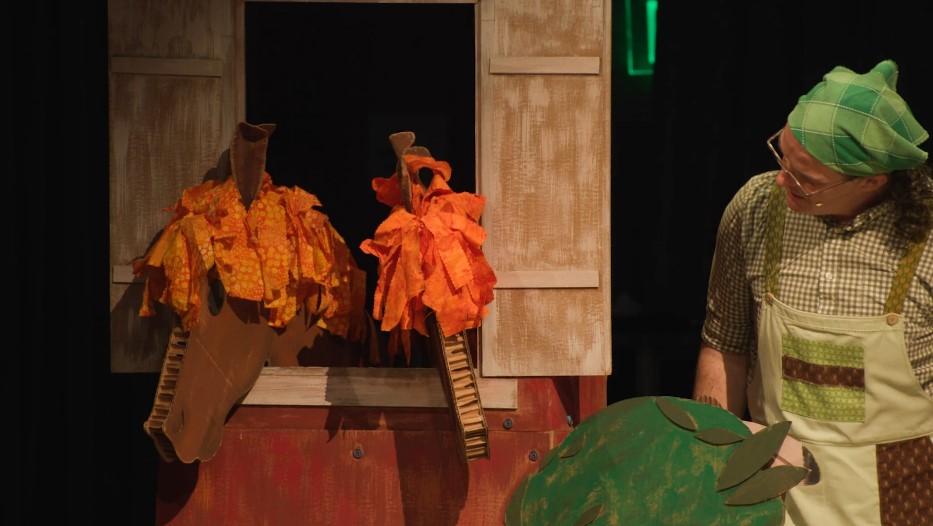
Photo: Old MacDonald (Scottie Rowell) checks on the horses on the farm. The horse puppets are made from recycled materials.
Performance
Performers
Sound
Visuals
Lighting
Audience Interaction
What You’ll Need
Resources
Musical Works You Will Hear
Here’s the music that will be performed in the show:
Lyrics for the Sing Along
Towards the end of the performance, Old MacDonald will ask the audience to sing along to “Old MacDonald Had A Farm.” You can participate if you would like to! Click to read the lyrics to this version of the song on the webpage. You can also access a printable version of the lyrics.
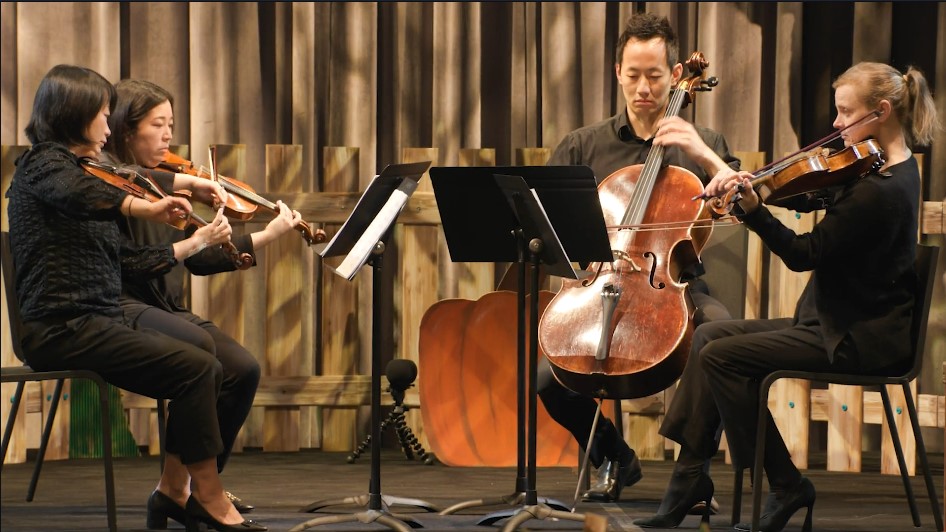
Photo: NSO musicians perform as a string quartet: Jing Qiao, Marina Aikawa, Loewi Lin, and Jennifer Mondie.
Before you watch the performance, check out this list of important moments and ideas:
After you’ve experienced the performance, consider these questions:
Feel the Dynamics! with Zeynep Alpan 
Dynamics—whether a sound is loud or soft—are oftentimes used by musicians to communicate feelings within music. Join violinist and music teaching artist Zeynep Alpan as she explores dynamics, turning your household objects into musical instruments!
Fun fact! Zeynep graduated from the National Symphony Orchestra Youth Fellowship Program as a high school musician, where she studied with musicians from the National Symphony and Kennedy Center Opera House Orchestras.
The World of Puppets 
Puppetry is a method of art that encourages expression in various ways. It can be used to share real emotion and thoughts, or a make-believe story. The act of building a puppet is an act of expression in itself. The many types of material that puppets can be made of are endless, and the decision is all up to the creator. Explore the Kennedy Center’s collection of resources on puppetry to learn about these numerous and imaginative forms of puppetry invention and storytelling.
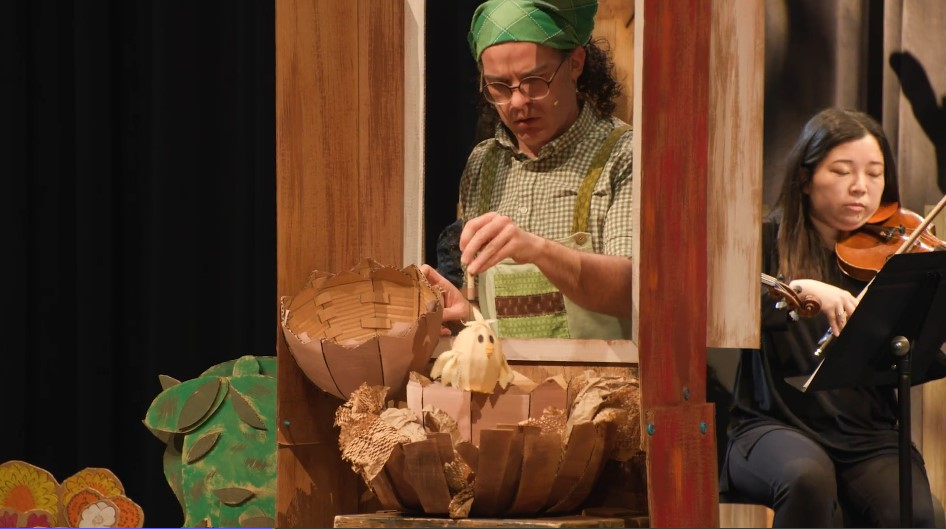
The puppets, set pieces, and costumes of Old MacDonald’s Symphony are all designed and made by Scottie Rowell, owner of Teller Productions and creator of the show. In this video, Scottie displays these objects, describing how they were created and the materials from which they are made.
Behind-the-scenes video featuring Scottie Rowell of Teller Productions.
Let’s Play Like Animals! 
Put on one of your favorite pieces of classical music. Or go to the Kennedy Center’s “Kids’ Classical Countdown” to listen to popular classical music, including Aaron Copland’s “Hoedown,” which is performed in Old MacDonald’s Symphony. Think of different animals to act like whenever the music changes. When the music gets fast, you can gallop like a horse. When it’s slow, you might waddle like a duck. It’s all about moving like animals to the beat of the music! What other animals do you hear within the music? Act it out!
Let’s Make Cardboard Instruments! 
Pick a kind of instrument to make, like a string instrument, drum, or shaker. You can stretch rubber bands over a cardboard box for guitar strings, use small cardboard boxes to make drums, or put rice or beans in cardboard tubes to make shakers. For more inspiration, check out this article for ideas on how to make your own instrument. Decorate your instrument however you like! Next, put on a song and play along with your instrument to the beat. You’ve created your own barnyard band!
Let’s Make a Paper Quilt! 
Give each person in your group a square of paper and some crayons or markers. Each person draws a picture of something they love, like a favorite animal, season, or family member. Then, connect all the squares on a larger piece of paper to create a big “quilt” made of everyone’s pictures!
Support of NSO Music for Young Audiences is presented by:
The Morris and Gwendolyn Cafritz Foundation
Bender Foundation, Inc.
Composer
Aaron Copland
Composer
Modest Mussorgsky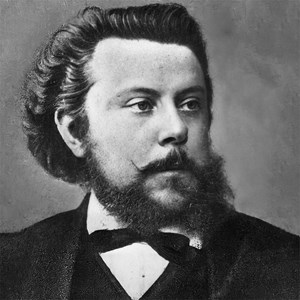
You might see some of these instruments when you come to the Kennedy Center, watch a performance by your school band, or at any other concert you attend! Click the slides to learn more about some of the most frequently spotted instruments in each family.
Looking to bolster your knowledge of classical music or simply trying to broaden your knowledge of music in general? Whatever your reason, here’s a different kind of musical hit list—our choices for the top 10 works in Western classical music for kids and their parents.
In this K-2 lesson, students will create a story page about animal habitats using a non-traditional book illustration method. They will be introduced to animal habitats through story, song, and dramatic play using children’s picture books.
In this K-2 lesson, students will examine how illustrations contribute to the telling of a story. Through picture books (without words), students will discuss and interpret details about the characters, setting, and plot. Students will create illustrations to accompany a text and then write text to accompany illustrations.
Teaching artist Zeynep Alpan demonstrates how different dynamics in music can evoke different emotions, and leads students through the process of creating different dynamics with household objects.
Teaching artist Sam Jay Gold demonstrates how to create a rod puppet using a common object in your home and a few craft supplies.
From traditional shadow puppets and lion dance celebrations from China, to bringing the beloved characters of children's book authors Leo Lionni and Mo Willems to the stage, to very different interpretations of the legend of The Lion King from both Disney and Sogolon Puppet Theatre from Mali, discover the vast world of puppetry, including activities on how you can make your own puppets at home.
Meet great composers, explore the vast musical world of the orchestra, study the science behind the instruments, and discover how classical music is anything but boring.
Professional development for educators. Summer intensives for young artists. Teaching artist guided activities. Performances for young audiences. Classroom lesson plans. Arts-focused digital media.
Kennedy Center Education offers a wide array of resources and experiences that inspire, excite, and empower students and young artists, plus the tools and connections to help educators incorporate the arts into classrooms of all types.
Our current teaching and learning priorities include:
A robust collection of lesson plans, articles, and activities that allow students and educators of all ages to explore and learn about the arts and arts integration.
In-person and virtual performances, along with supporting educational content to help guide learning.
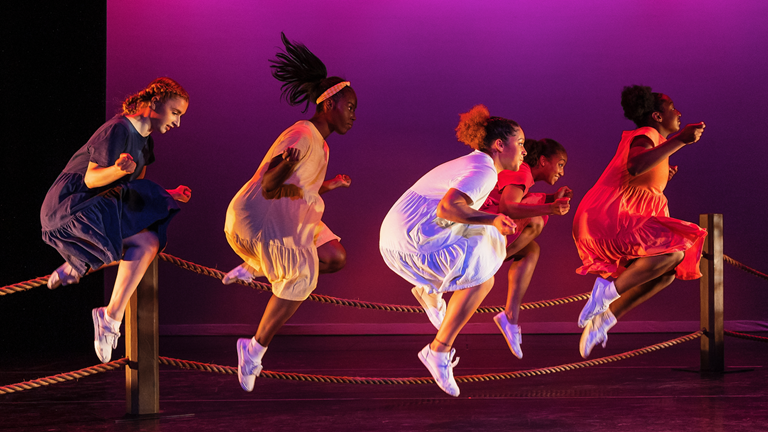
Current approaches to arts integration in the classroom, inclusion, rigor, and adopting an arts integration approach at the school and district level.

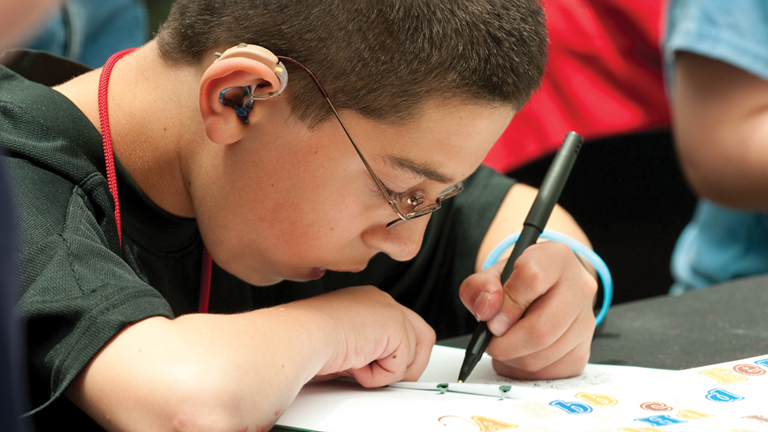
An asynchronous online course that invites educators and administrators to think about our students’ disabilities as social and cultural identities that enrich our classrooms and communities.

The Vice President of Education is generously endowed by the A. James & Alice B. Clark Foundation.
Generous support for educational programs at the Kennedy Center is provided by the U.S. Department of Education.
Gifts and grants to educational programs at the Kennedy Center are provided by The Paul M. Angell Family Foundation; Bank of America; Capital One; The Morris and Gwendolyn Cafritz Foundation; Carnegie Corporation of New York; The Ednah Root Foundation; Genesis Inspiration Foundation; Harman Family Foundation; William R. Kenan, Jr. Charitable Trust; the Kimsey Endowment; The Kiplinger Foundation; Laird Norton Family Foundation; Lois and Richard England Family Foundation; Dr. Gary Mather and Ms. Christina Co Mather; The Markow Totevy Foundation; Dr. Gerald and Paula McNichols Foundation; The Morningstar Foundation; Myra and Leura Younker Endowment Fund; The Irene Pollin Audience Development and Community Engagement Initiatives;
Prince Charitable Trusts; Dr. Deborah Rose and Dr. Jan A. J. Stolwijk; Rosemary Kennedy Education Fund; The Embassy of the United Arab Emirates; The Victory Foundation; The Volgenau Foundation; Jackie Washington; GRoW @ Annenberg and Gregory Annenberg Weingarten and Family; and generous contributors to the Abe Fortas Memorial Fund and by a major gift to the fund from the late Carolyn E. Agger, widow of Abe Fortas. Additional support is provided by the National Committee for the Performing Arts..
The content of these programs may have been developed under a grant from the U.S. Department of Education but does not necessarily represent the policy of the U.S. Department of Education. You should not assume endorsement by the federal government.