Article The Modern Student Needs Movement
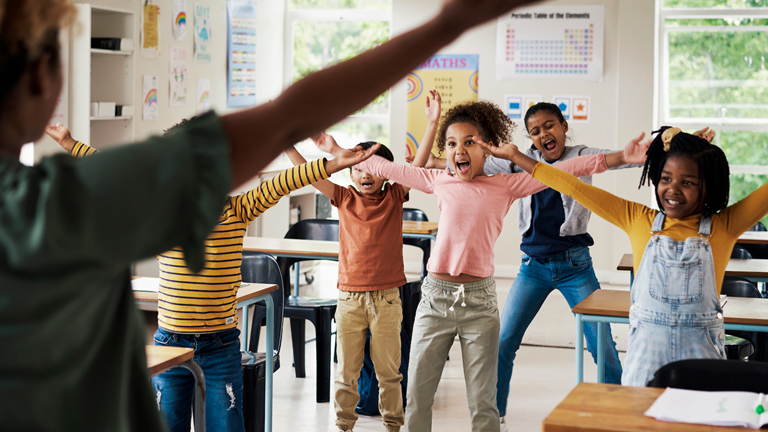
A guide for teachers on using movement to enhance focus, support classroom transitions, make deeper content connections, and ultimately transform the future of learning.
A selection of articles covering current approaches to arts integration in the classroom, inclusion, rigor, social-emotional learning, and adopting an arts integration approach at the school and district level.
A guide for teachers on using movement to enhance focus, support classroom transitions, make deeper content connections, and ultimately transform the future of learning.
Educational leaders will learn about the growing presence of artificial intelligence (AI) in schools and discover best practices for leveraging the technology ethically, effectively, and artistically.
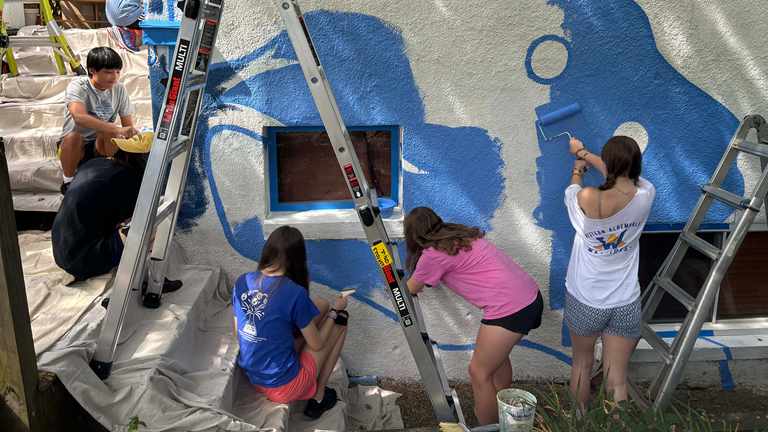
Explore ways to support teens’ social and emotional development by incorporating “Artner” collaborative practices into mural making projects—building confidence, collaborative skills, and community-mindedness.
Explore the power of music to understand one's emotions and actions. Teachers will learn how to integrate songs and musical games into lessons to build and practice self-regulation in a community context—even without a musical background!
PreK-2 teachers will make mindfulness thrive in the classroom when they integrate WORD Movement and practice conscious media selection.
Middle and high school teachers will explore the power of musical theater to build social and emotional learning skills, connect with others, and view stories around them in new ways.
Middle school math teachers will unlock students’ “artistic mathematical eye” with arts objectives, lesson openings, essential questions, and student choice.
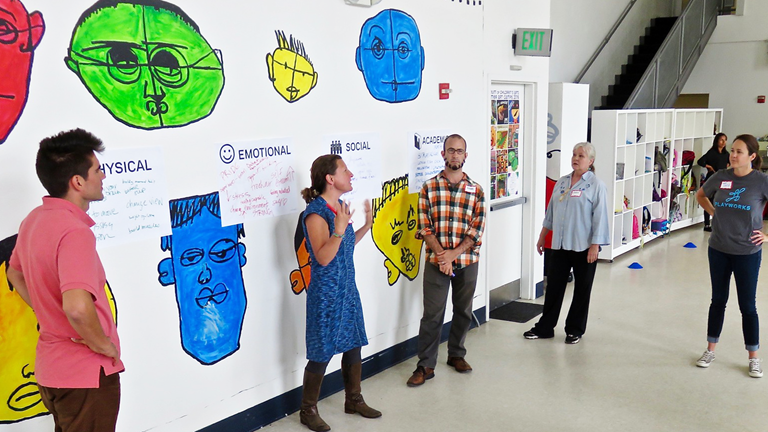
Gain an understanding of how social and emotional learning (SEL) and the arts reinforce the necessary skills to grow and develop in different settings. Learn how school-family-community partnerships contribute to equitable, trusting, and creative learning environments.
Embedding the arts into the culture and climate of schools can create opportunities for students to connect and build relationships in a “post-pandemic” era.
School leaders can foster arts-integrated learning spaces by planning with purpose, cultivating a shared mindset, growing with their community’s resources in mind, and celebrating every step.
Inclusion teachers can bolster engagement with arts integration by adapting time, classroom tools, and instructional techniques.
When K-12 teachers integrate arts into specific disciplines they can build creative learning spaces without compromising rigor in a primary content area.