Media Billie Holiday + Strange Fruit
The story behind Billie Holiday’s “Strange Fruit” (1939) is one of violence and tragedy, but also bravery in the face of adversity.
Born
December 18, 1897
Died
December 29, 1952
Country
United States of America
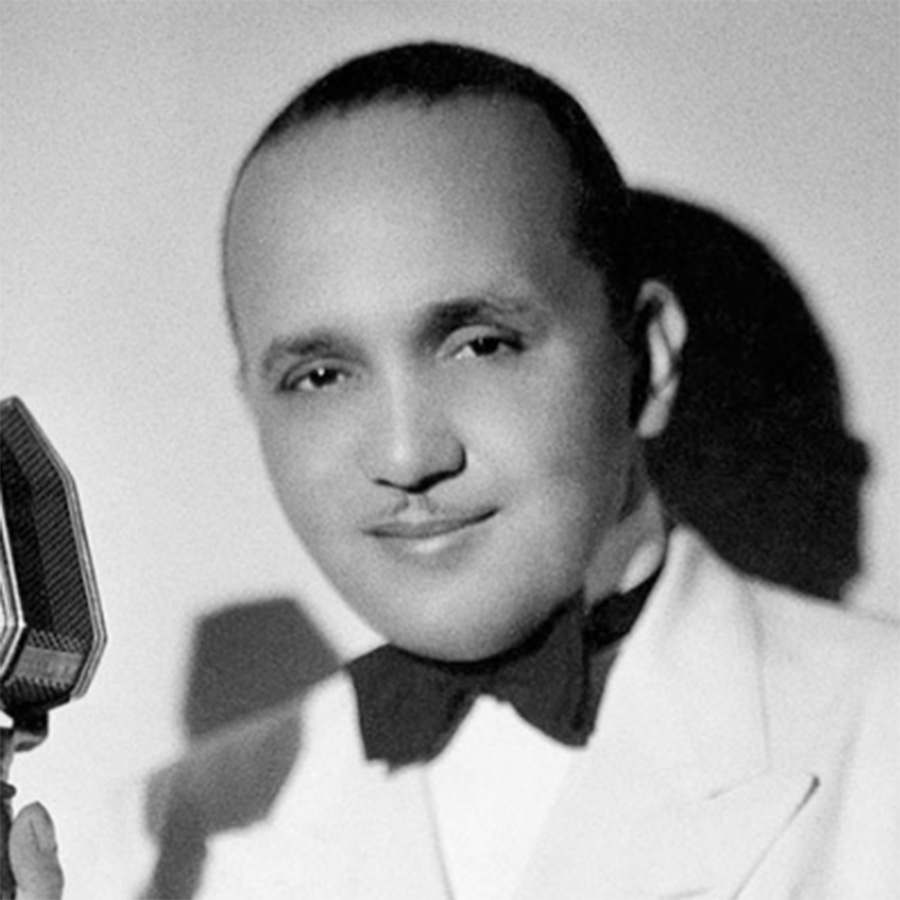
Although Fletcher Henderson moved to New York intending to become a chemist, he wound up mixing sounds, not compounds. Chemistry work was hard to come by, so Henderson took piano-playing gigs with various big-band jazz groups.
In January 1924, he landed a job at a well-known dance hall, the Roseland Ballroom. There Henderson and his orchestra pioneered a new sound that paired perfectly with the latest dance crazes, notably the Lindy Hop.
When arranger Don Redman joined Henderson, their combined genius helped usher in the Swing Era’s “big-band sound,” which featured complex exchanges among the reed, brass, and rhythm sections—a significant advance from the traditional jazz reliance on instrumental solos.
Written solos added harmonic depth to this new musical formula. The solos may have sounded improvised, but every note had been carefully scored. One example is his 1926 arrangement of “The Henderson Stomp” (below), which featured Fats Waller on the piano. Redman’s genius shined in this composition, in which he innovatively incorporated Harlem stride (characterized by a syncopated rhythm played by a pianist’s left hand).
 |
The Music of
|
A true jazz visionary, Henderson hired such up-and-coming talents as Louis Armstrong, Lester Young, and Coleman Hawkins to play in his orchestra. He also earned respect for jazz from the national public and from the “Talented Tenth” (a phrase for the concept of an elite group of highly educated Black leaders), who often disregarded jazz tunes for not being “serious” music.
 I n t e r s e c t i o n s |
|
 |
Bessie Smith often sang with Henderson’s Orchestra. |
 |
He lived in the Dunbar Apartments. |
 |
He was recording manager at Pace Phonograph Company. |
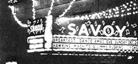 |
Henderson’s Orchestra competed in the Savoy Ballroom’s Battle of the Bands. |
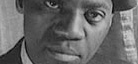 |
Bill “Bojangles” Robinson danced with the orchestra at an NAACP benefit. |
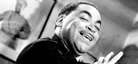 |
Pianist Fats Waller jammed with the orchestra. |
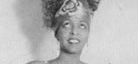 |
Singer Ethel Waters taught Henderson how to accompany her voice. |
 |
|
Video Bio
The story behind Billie Holiday’s “Strange Fruit” (1939) is one of violence and tragedy, but also bravery in the face of adversity.
Learn the basics of jazz music and how the art form works. Along with his band, Jason Moran shows you how jazz is more like skateboarding and football than you would think, as well as plays original and classic jazz standards.
From Fairmont Street to U Street, from the Howard Theater to the Bohemian Caverns, take a tour through jazz history with Billy Taylor and Frank Wess, who lead listeners through their hometown’s music scene in this seven-part audio series.
This series, hosted by Connaitre Miller of Howard University, explores why Swing was the most popular dance music in America and how it is still alive today in dance halls, clubs and movies

Kennedy Center Education provides resources and experiences that inspire, excite, and empower students and young artists, plus the tools and connections to help educators incorporate the arts into classrooms and learning spaces of all types.


Generous support for educational programs at the Kennedy Center is provided by the U.S. Department of Education.
Gifts and grants to educational programs at the Kennedy Center are provided by The Paul M. Angell Family Foundation; Bank of America; Capital One; The Morris and Gwendolyn Cafritz Foundation; Carnegie Corporation of New York; The Ednah Root Foundation; Genesis Inspiration Foundation; Harman Family Foundation; William R. Kenan, Jr. Charitable Trust; the Kimsey Endowment; The Kiplinger Foundation; Laird Norton Family Foundation; Lois and Richard England Family Foundation; Dr. Gary Mather and Ms. Christina Co Mather; The Markow Totevy Foundation; Dr. Gerald and Paula McNichols Foundation; The Morningstar Foundation; Myra and Leura Younker Endowment Fund; The Irene Pollin Audience Development and Community Engagement Initiatives;
Prince Charitable Trusts; Dr. Deborah Rose and Dr. Jan A. J. Stolwijk; Rosemary Kennedy Education Fund; The Embassy of the United Arab Emirates; The Victory Foundation; The Volgenau Foundation; Jackie Washington; GRoW @ Annenberg and Gregory Annenberg Weingarten and Family; and generous contributors to the Abe Fortas Memorial Fund and by a major gift to the fund from the late Carolyn E. Agger, widow of Abe Fortas. Additional support is provided by the National Committee for the Performing Arts..
The content of these programs may have been developed under a grant from the U.S. Department of Education but does not necessarily represent the policy of the U.S. Department of Education. You should not assume endorsement by the federal government.


